
HVAC systems in healthcare and other types of facilities have come under tremendous scrutiny in the last year over their role in the COVID-19 pandemic. As a result, managers have updated equipment and revisited air filtration processes.
Now, the ASHRAE Epidemic Task Force has released an updated, unequivocal statement on the airborne transmission of SARS-CoV-2 in buildings. ASHRAE has released the following statement:
“Airborne transmission of SARS-CoV-2 is significant and should be controlled. Changes to building operations, including the operation of heating, ventilating, and air-conditioning systems, can reduce airborne exposures."
The new statement replaces the April 2020 statement that said airborne transmission was “sufficiently likely” that airborne precautions should be taken. At that time both, the World Health Organization and the Centers for Diseases Control and Prevention contended that transmission of SARS-CoV2 was by droplet and fomite modes, not airborne. Subsequently, both groups have acknowledged the risk of airborne transmission indoors.
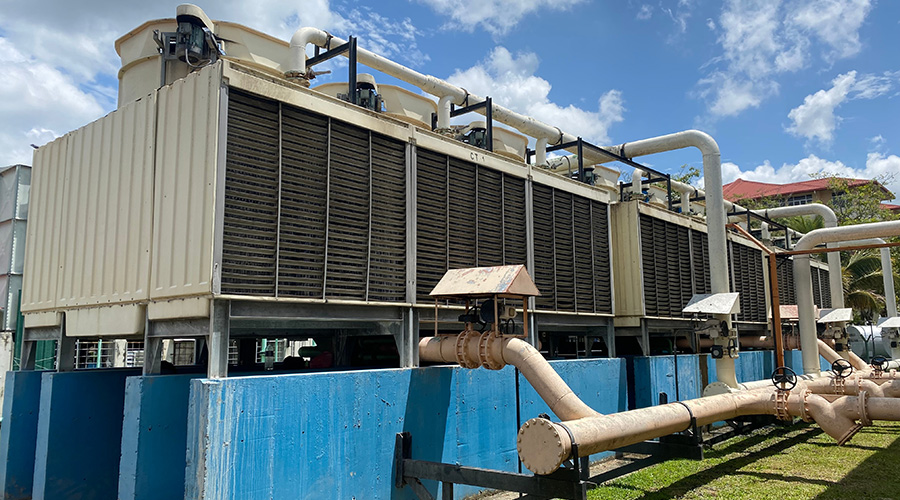 Hospitals Are Energy Super-Users. Why Is It So Hard to Modernize Them?
 Encompass Health Rehabilitation Hospital of Bangor Officially Opens
 Early Entry: Manager's Critical Role in Construction Planning
 The Evolution of Lighting in Patient Care
 HealthPartners and Essentia Health to Combine Organizations