
A report by Beazley Breach Response Services found that in the second quarter of 2018, the most frequent cause of healthcare data breaches was accidental disclosures, according to an article on the Healthcare IT Security website.
Accidental disclosures made up 38 percent of the data breaches in the healthcare sector, hacking/malware were 26 percent of breaches, followed by insiders at 14 percent, physical loss of a nonelectronic record at 7 percent, loss or theft of a portable device at 6 percent, social engineering at 4 percent, and unknown/other at 5 percent, according to the report.
Across industries, accidental disclosure is number two in the rankings. The top cause of data breaches in the second quarter were hacking/malware attacks (39 percent) and accidental disclosure (22 percent).
Hack or malware was down 3 percentage points from the first quarter, despite an increase in the number of email compromises. This was due to a decrease in the number of reported ransomware incidents in second quarter, the article said.
 Creating Healthcare Campus Master Plans That Allow Movement and Respite
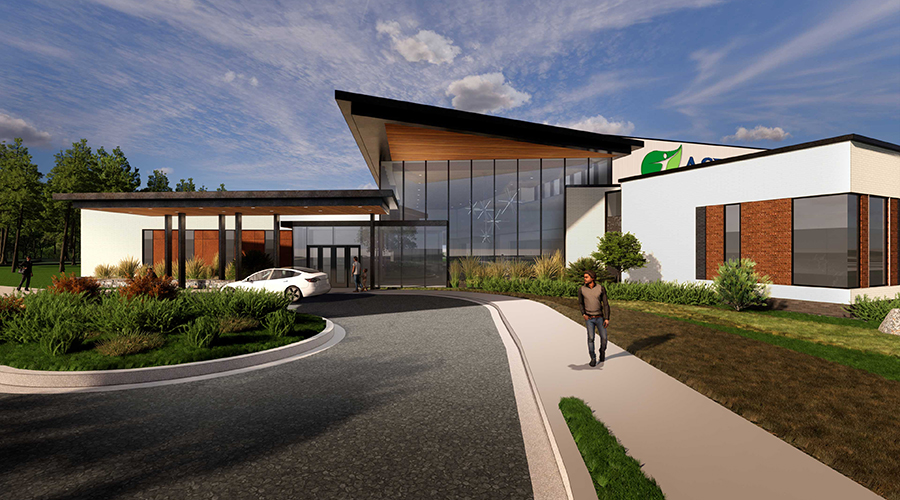 Aspirus Health Celebrates Opening of Chippewa Falls Hospital and Clinic
 AdventHealth to Open Aurora Highlands Medical Campus
 The Future of Healthcare Facility Construction Projects
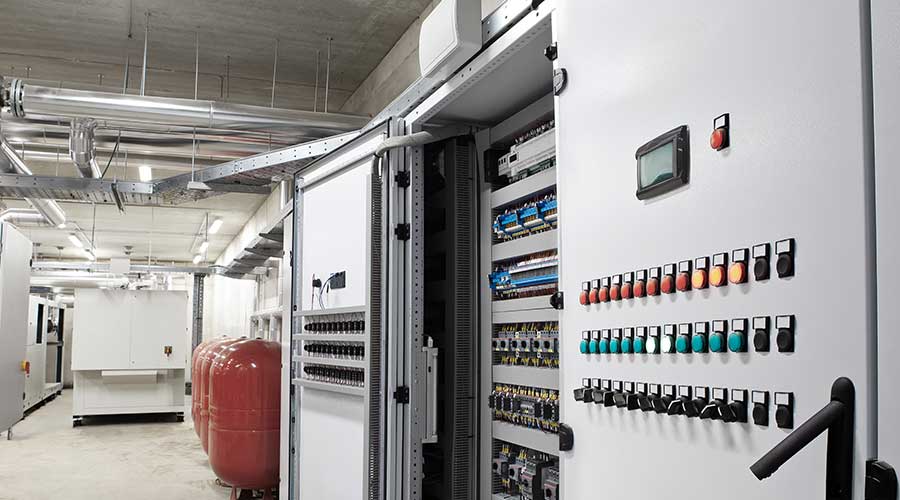 Arnprior Regional Health Upgrades Building Controls to Improve IEQ