
Aircuity, maker of smart automated airside solutions, announces that its airside efficiency platform has been included in a major retrofit project by the National Research Council of Canada (NRC). The NRC’s building in Saskatoon, Saskatchewan is utilizing two Aircuity Sensor Suites (SSTs) in its laboratory spaces and one SST for exhaust fan control.
“Over the last decade, airside efficiency has proved to be the biggest single energy efficiency conservation measure available for laboratory spaces,” says Dan Diehl, CEO at Aircuity.
“Implementing energy retrofit projects in a lab environment is challenging,” explains Mark Newman, Energy Management Officer at the National Research Council. “But these same challenges also present the NRC with significant opportunities to conserve energy, reduce its environmental footprint and yield substantial savings on operating costs.”
Aircuity’s smart platform saves energy, gives building users access to intelligent data about their spaces, and enables a healthier environment for occupants. The system improves cognitive function and productivity, reduces environmental health and safety risks and promotes sustainability initiatives as part of a smart building strategy.
For additional information on the company and its solutions, please visit: http://www.aircuity.com.
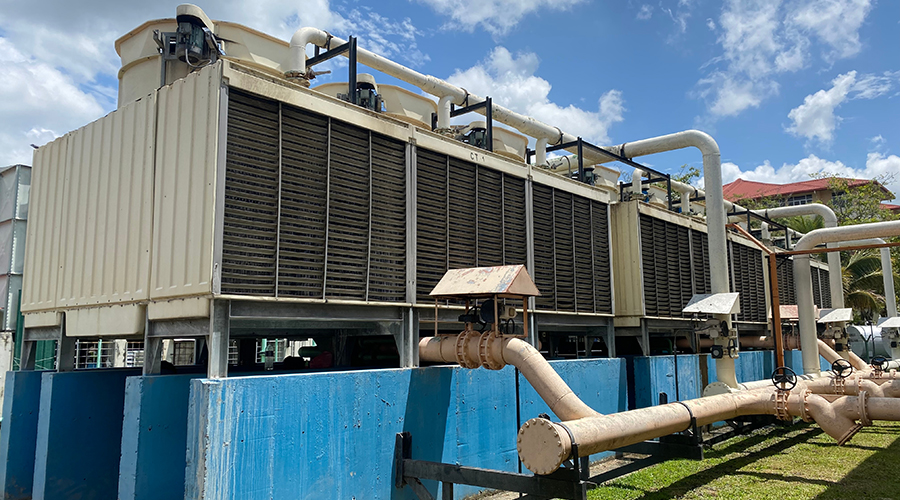 Cooling Towers at NYC Health + Hospitals/Lincoln Test Positive for Legionella
 Prefabricated Wall Panels Accelerate UCF Lake Nona Medical Center Construction
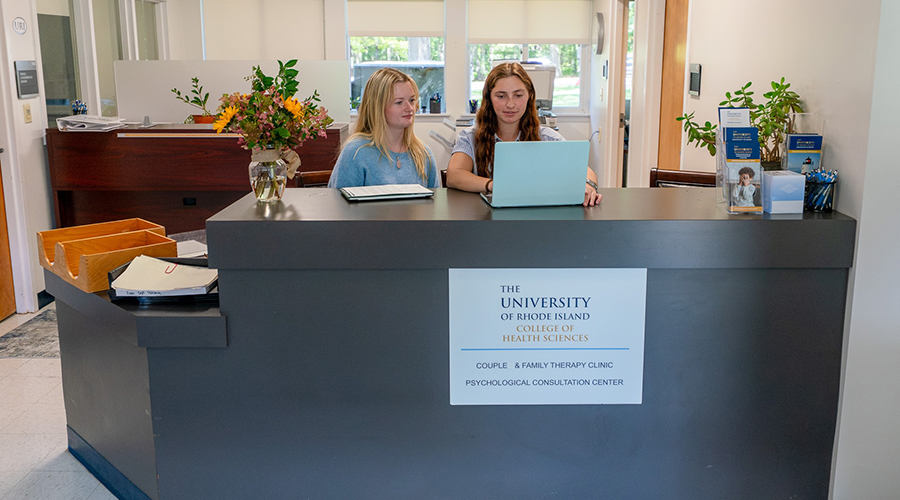 University of Rhode Island Adds Clinical Space
 How Retail Design Principles Can Improve Healthcare Wayfinding
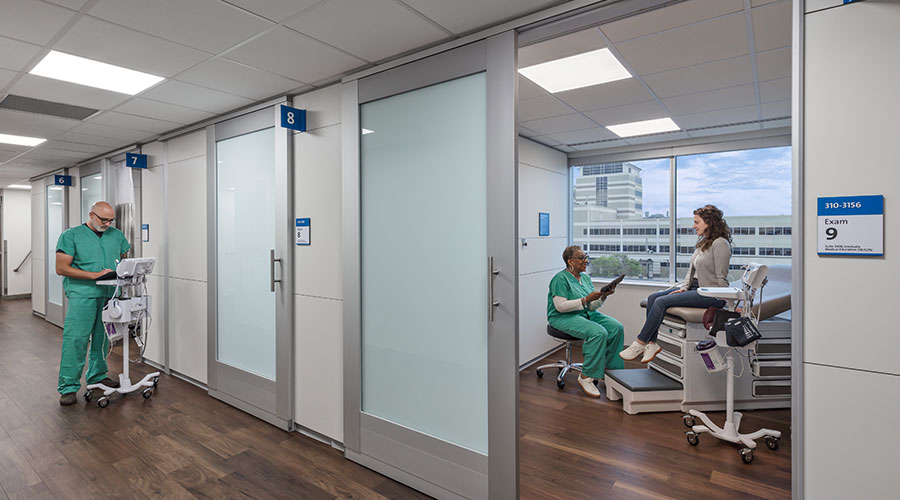 Flexible Design Strategies Help OhioHealth Maximize Clinical Space