
In an interview with Woodform Architectural, Ronald Hicks, Principal and Head of Health + Research Sector at HDR|Rice Daubney explained how architecture has contributed to improved health outcomes by creating better environments for patients, according to an article on the Archtecture and Design website.
Following Rice Daubney’s consolidation into a bigger HDR US-based practice, he has been exposed to healthcare design work around the world and knows that the standard of Australian healthcare facilities is very good.
Among the projects that Hicks has worked on is the Chris O'Brien Lifehouse in Sydney. The Lifehouse is a cancer care facility that was designed to fulfil the ambitions of a doctor who experienced the condition he had spent his life treating.
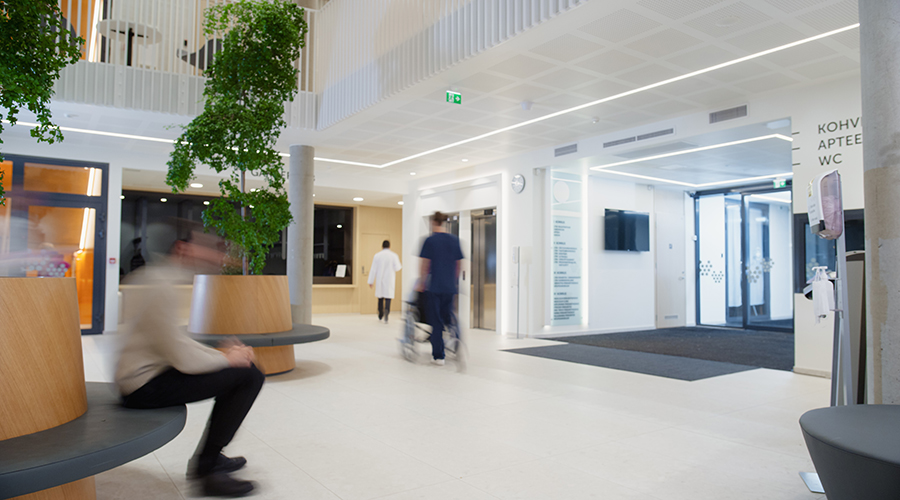
Hicks said hospitals today represent a mixed environment with influences from hotels, airports and retail coming into play. With a lot of work done around evidence-based design outcomes in health, there is proven evidence of improved healthcare outcomes with better environments.
 Extreme Weather: The Maintenance-Resilience Link
 Encompass Health Lower Providence Opens in Pennsylvania
 Intermountain Health Acquires Fairbourne Building for Healthcare Hub and Medical Campus Conversion
 Cooling Towers at NYC Health + Hospitals/Lincoln Test Positive for Legionella
 Prefabricated Wall Panels Accelerate UCF Lake Nona Medical Center Construction