
Healthcare furniture must maintain visual allure and support hospital infection prevention protocols with surfaces that are easy to thoroughly clean with bleach year after year. It is a fact that germs are spread and people can catch a cold, virus or something more serious in the air we breathe.
But have you considered how many contaminants are transferred by touching the surfaces of tables, chair arms, bedside tops and headboards and footboards in hospital rooms? It is a scary thought to consider, as most healthcare environments focus attention primarily on keeping the restroom, the floor and the linens on the beds clean. The key to infection prevention and control and keeping germs and superbugs at bay is to extend the focus to everything staff, patients and guests touch, especially the surfaces that get multiple touches in a day. Here are some keys to maintaining germ free surfaces.
Surface smooth
The smoother the surface is the better it is, period. No one is attracted to brittle arms, scratched up chair legs or worn chair backs. These imperfections are just not aesthetically pleasing. If you are forced to sit in a chair that looks bad, you feel uncomfortable and on edge. Smooth surfaces restrict cracks and crevices and help prevent the spread of harmful bacteria through cross contamination.
Surface strong
Healthcare surfaces must be robust and function at a high level while looking beautiful. With the onslaught of wheelchairs, gurneys and medical carts in healthcare environments, furniture surfaces must be able to withstand the myriad types of use and abuse they encounter daily. These surfaces should be non-porous so harmful bacteria can’t find a home and grow. These surfaces should be easily cleaned with bleach everyday as part of a hospital’s comprehensive infection control measures.
Surface savvy
Be aware of the surfaces in the room. We’ve all been in a healthcare lobby, the reception area of a doctor’s office and of course, patient rooms. No matter the length of the wait time, people sit, eat and sleep in the chairs. There is mounting evidence to suggest that environmental surface contamination plays an important role in the transmission of several key healthcare associated pathogens. All furniture in a healthcare environment should attract families and patients by creating healthy and stylish spaces; contribute to patient and staff safety and contribute to improved infection prevention.
Jodi Fazio is the Marketing Director of Kwalu, a manufacturer of healthcare and senior furniture.
Jodi Fazi
 How Retail Design Principles Can Improve Healthcare Wayfinding
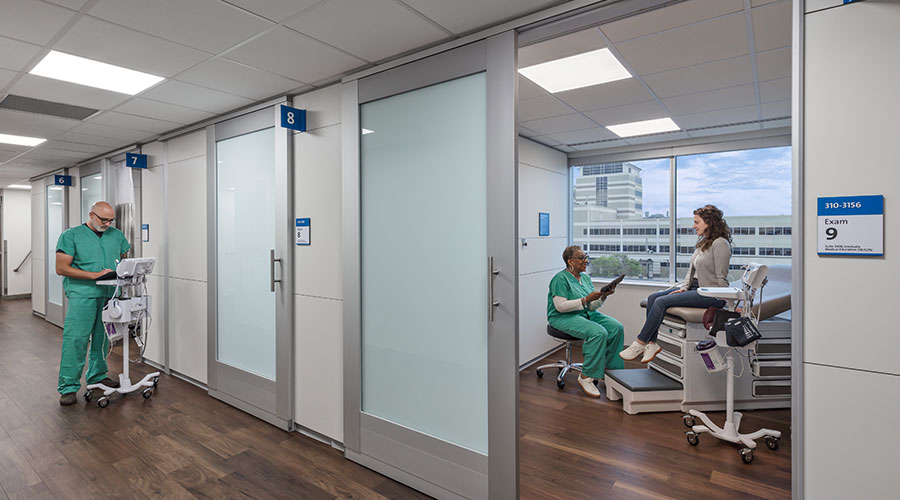 Flexible Design Strategies Help OhioHealth Maximize Clinical Space
 Midwest Spine And Brain Institute Suffers Data Breach via Third-Party Vendor
 What Accessibility in Senior Care Facilities Should Look Like
 Corewell Health to Expand Grand Rapids and Troy Hospitals