
There are can be issues with access cards. They are expensive at $6 to $12 each; they can be lost or stolen, allowing unauthorized personnel to gain access to a facility, according to an article from Building Operating Management on the FacilitiesNet website.
In the coming decade, facility managers could well witness the end of the plastic access card. There are three form factors that can be used for granting facility access: what you have (access card), what you know (pin), and who you are (biometric).
The most secure facilities require two or three factors. The changes will come in the categories of what you have and who you are.
• What you have — a smartphone. In the 2020s, facility managers will likely see the plastic access card replaced with smart phone apps. The preferred technology will work with all phones, require a simple download by users, work at all readers across the organization, be simple for facility managers to implement, and be secure (with some solutions offering two-factor authentication via pin or biometric from the user’s own mobile phone).
• Who you are — biometric readers. There are several successful biometrics access control systems on the market today. These include fingerprint readers, hand geometry readers, vascular readers, iris readers, and facial recognition readers. Most of the companies developing these technologies have overcome the issues of storing personally identifiable information and grant access based on a biometric formula.
 Sustainability as a Baseline in Healthcare Facilities
 Penobscot Valley Hospital Reports Data Security Incident
 Ballad Health Acquires Land for Future Unicoi County Hospital
 Why Healthcare Facilities Management Is Critical to Patient Safety
 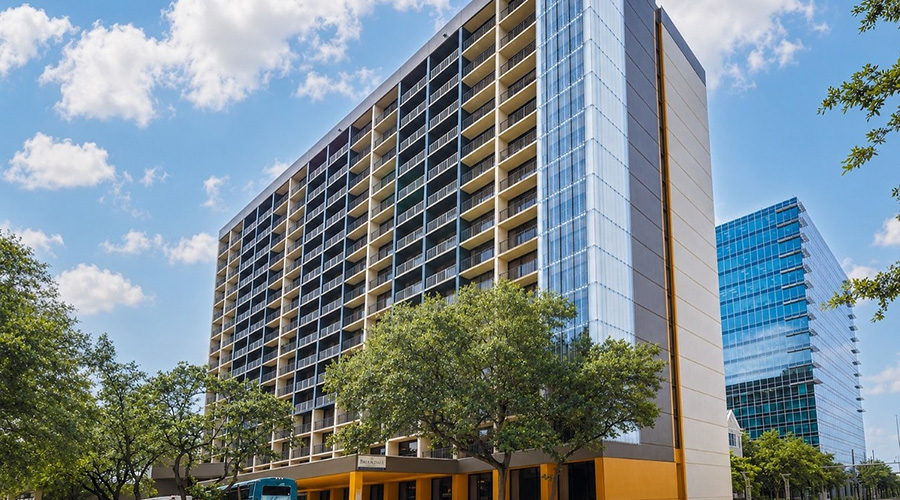 Brookdale Senior Living Announces Acquisition of the Brookdale Galleria Community