
As buildings age, facades and systems start to degrade, leading to decreased thermal comfort, indoor air quality (IAQ), and wasted energy, according to an article on the Facility Executive website.
Retrofitting a building enclosure can bring energy savings, improved appearance, and uninterrupted workflow for occupants. A hospital is a good candidate because of the need to meet up-to-date regulations and compliance codes.
Poor thermal performance and poor indoor air quality can lower the quality of patient care, the article said. Ventilation systems must perform at optimal levels or mold can grow in high humidity areas, compromising the health of the facility occupants.
To ensure energy efficiency, a hospital retrofit should include overhauling the HVAC system, updating energy draining lights, and renovating its building envelope.
 Creating Healthcare Campus Master Plans That Allow Movement and Respite
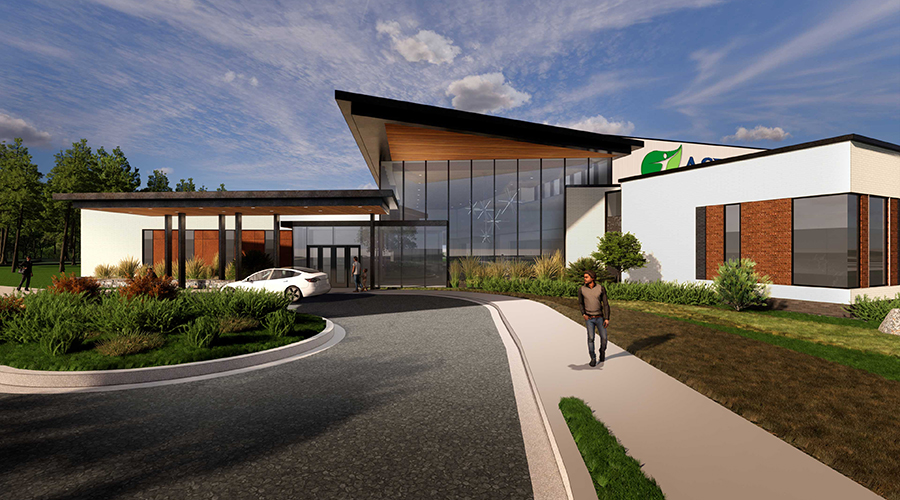 Aspirus Health Celebrates Opening of Chippewa Falls Hospital and Clinic
 AdventHealth to Open Aurora Highlands Medical Campus
 The Future of Healthcare Facility Construction Projects
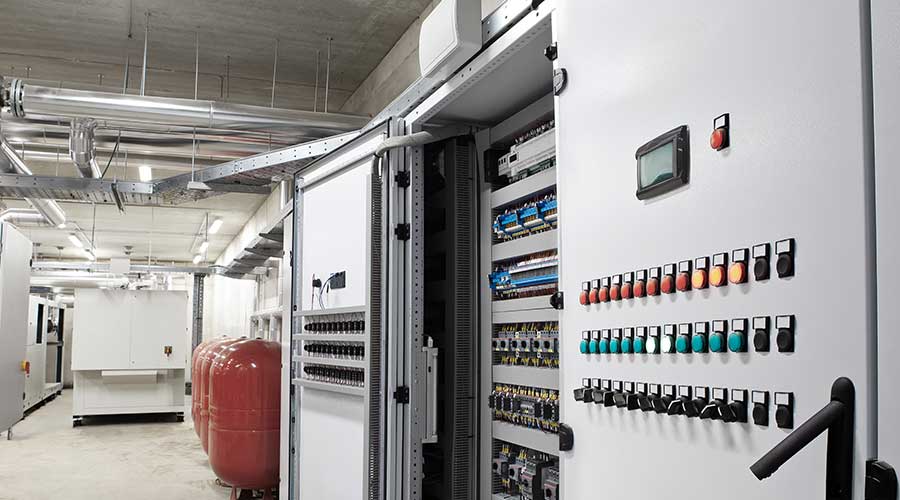 Arnprior Regional Health Upgrades Building Controls to Improve IEQ