
The Centers for Medicare and Medicaid Services (CMS) recently published final preparedness requirements that providers and suppliers must meet in order to participate in the Medicare and Medicaid programs, according to an article on the National Review website.
The final rule went into effect Nov. 15, 2016, and must be implemented within one year.
It applies to 17 different types of healthcare providers and suppliers, including ambulatory surgical centers, psychiatric residential treatment facilities, hospitals and critical access hospitals, long-term care facilities, hospices, home health agencies, community mental health centers, rural health clinics, federally qualified health centers, and end-stage renal disease facilities.
The final rule aims to safeguard essentials necessary to maintain access to healthcare services: human resources, business continuity and physical resources.
 Extreme Weather: The Maintenance-Resilience Link
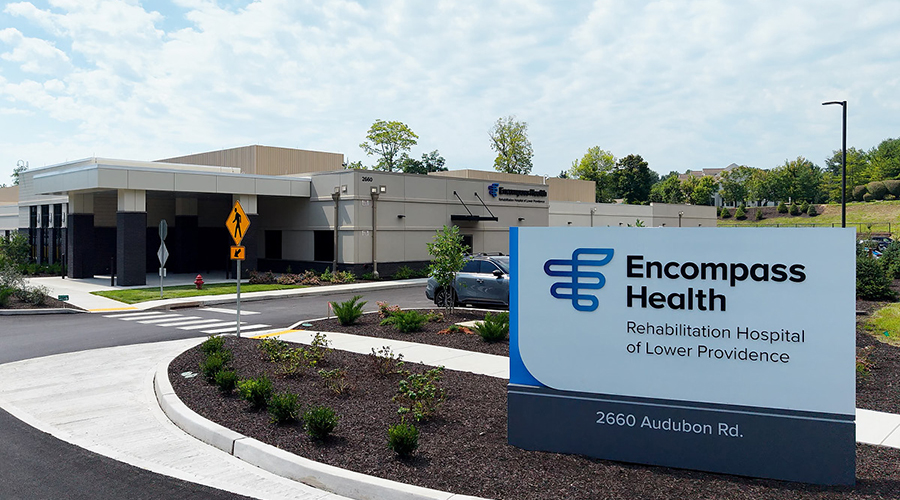 Encompass Health Lower Providence Opens in Pennsylvania
 Intermountain Health Acquires Fairbourne Building for Healthcare Hub and Medical Campus Conversion
 Cooling Towers at NYC Health + Hospitals/Lincoln Test Positive for Legionella
 Prefabricated Wall Panels Accelerate UCF Lake Nona Medical Center Construction