
How has COVID-19 affected the healthcare design community? Since spring, the pandemic has forced the use of technology and accelerated implementations – advances that might have taken five or more years without the pandemic. So are architects thinking beyond traditional design as a result?
New buildings are often fancier versions of the 1960s tower-on-podium model with a lot of technology crammed inside, according to Health Facilities Management. The patient is moved around from place to place in an environment assembled by a collection of departments or individual silos to receive care instead of bringing the care and technology to the patient.
During design, architects and planners focus on the patient and health outcomes but, frequently, the new built environment is not patient centric. Technology is an area where it often gets lost. Designers spend time reviewing the health benefits of daylight improving patient outcomes and handrails to prevent falls, but technology is pushed off to be addressed only by the health care organization’s information technology and biomedical departments.
Embracing technology as a key design team element can dramatically improve building designs and patient outcomes. Architects and planners truly can save lives by changing their design view of technology.
Click here to read the article.
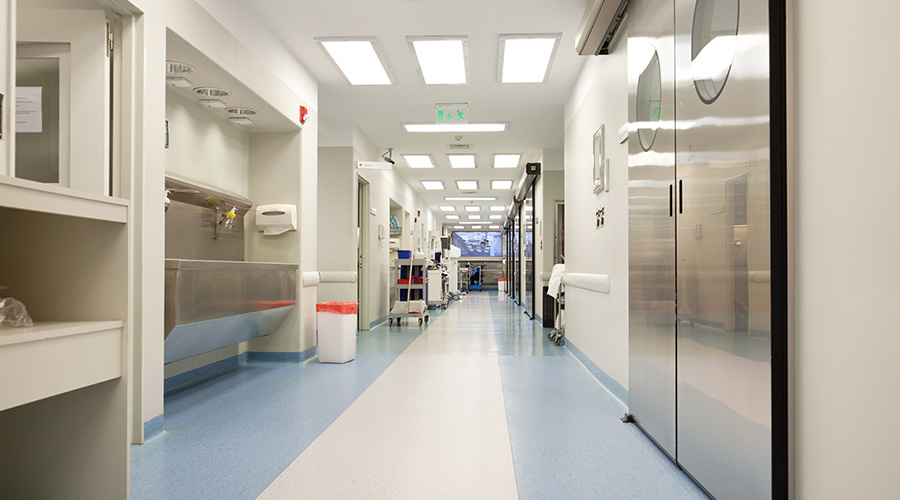 The Evolution of Lighting in Patient Care
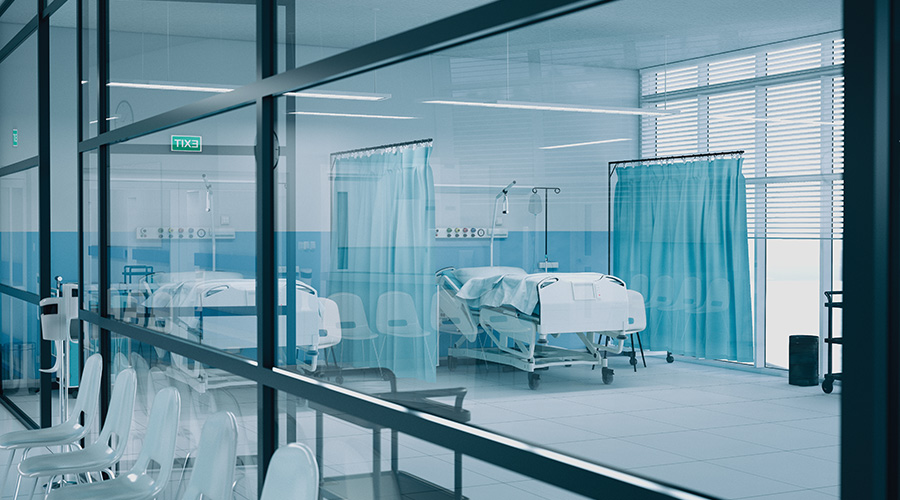 HealthPartners and Essentia Health to Combine Organizations
 Three Oaks Hospice Reports Email Breach
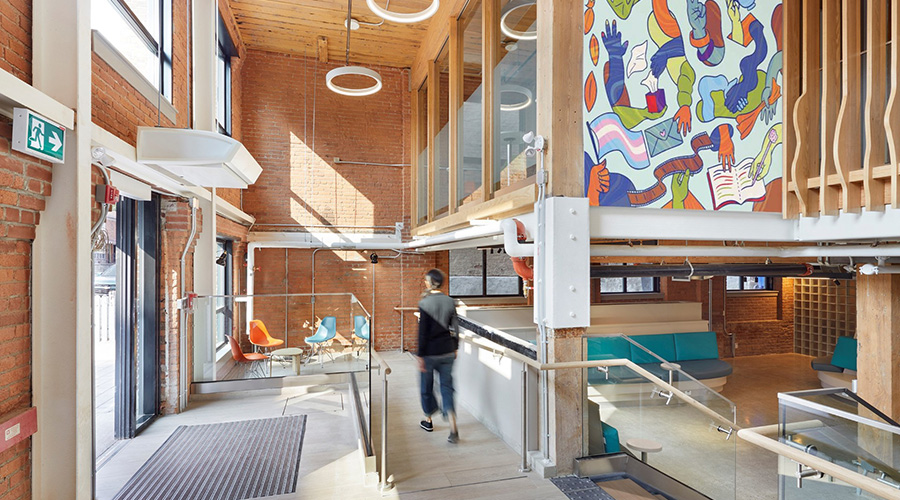 Achieving Better Treatment Spaces Through Co-Design
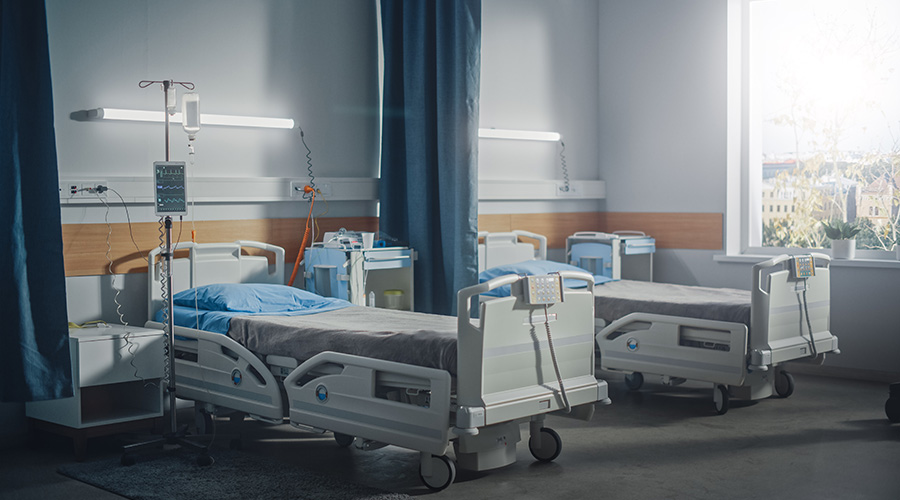 Prisma Health to Acquire 36 Urgent Care Sites in South Carolina from Novant Health