
Healthcare facilities managers for years have reviewed their facilities systems and materials in an effort to reduce their organizations’ emissions and operate more sustainably. Much of the scrutiny has centered on HVAC systems, and now those efforts have widened to consider additional facility components — interiors.
The building and construction sectors account for nearly 40 percent of global energy-related carbon dioxide emissions in constructing and operating buildings according to SaraMarberry. But it might come as a surprise to hear that the carbon footprint of interiors might be responsible for emissions at least equal to or more than those from the building structure and envelope, based on research from the Carbon Leadership Forum and LMN Architects found.
Multiple interior renovations over the life of a building might have the biggest embodied carbon footprint — emissions that come from manufacturing, transporting, and installing materials and products.
Like architects, interior designers can, and should be making low-carbon choices. In a campaign called Sustainability Next, Metropolis magazine is challenging interior designers to join the fight against climate change and help influence as much as 1/10 of all global emissions.
 Sustainability as a Baseline in Healthcare Facilities
 Penobscot Valley Hospital Reports Data Security Incident
 Ballad Health Acquires Land for Future Unicoi County Hospital
 Why Healthcare Facilities Management Is Critical to Patient Safety
 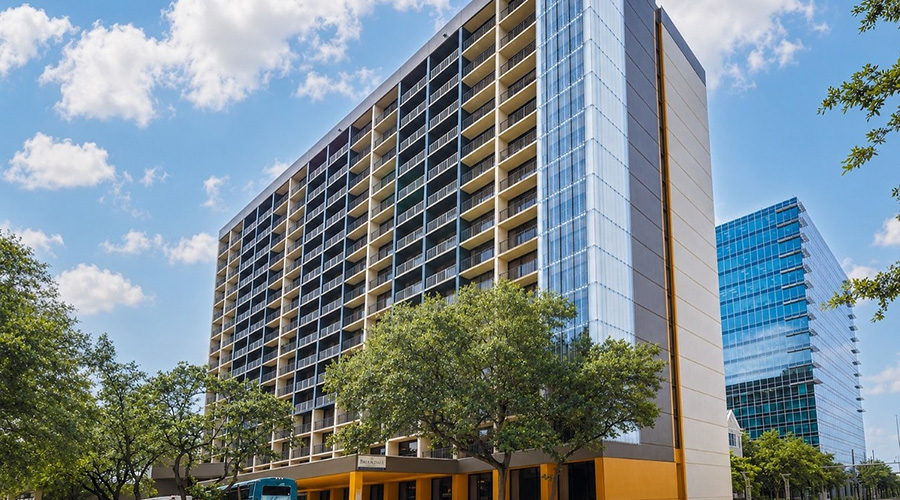 Brookdale Senior Living Announces Acquisition of the Brookdale Galleria Community