
One of the many consequences of global warming will be an increased demand for energy. And yet, as a result of our aging infrastructure, states are finding themselves with fewer traditional energy resources, according to an article from Building Operating Management on the FacilitiesNet website.
Some states, such as New York, Massachusetts and Rhode Island, are enacting programs to reduce energy use.
A building that requires less energy to operate will reduce its impact on the local energy supply system. When a large number of buildings are designed and constructed this way, the cumulative effect is a significant reduction in the demand on community infrastructure.
The inclusion of cool roofing on a building, for instance can have an impact on both asset and community resilience.
A cool roof is one that resists the absorption of energy by reflecting much of the sun’s radiation and efficiently emitting thermal radiation through the use of coatings or materials that combine reflectivity and infrared emittance (both measured on a scale of 0 to 1 and called the roof’s “radiative properties”).
A cool roof can reflect 80 percent of solar radiation without warming the atmosphere, leaving a roof that might be only 5 to 10 degrees Fahrenheit warmer than the surrounding air. Such roofs can lower energy costs 10 to 15 percent by reducing the need to air condition a building using electricity during peak demand times, when such costs are 30 to 70 percent higher.
Read the full Building Operating Management article.
 Why New Era of Care Demands an Ambulatory Facilities Approach
 ClearSky Health Plans New Medical Rehabilitation Hospital in North Carolina
 Bacon County Health Services Reports Data Breach
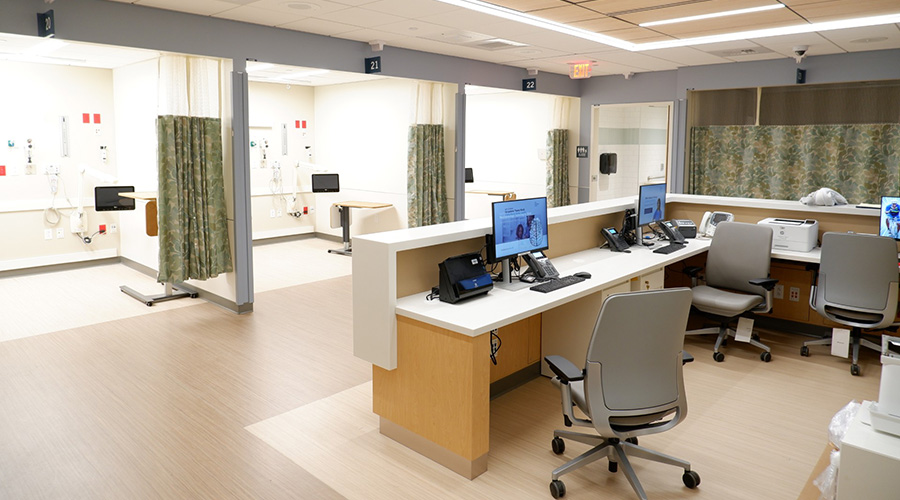 Building Around Care: Lessons in Modernizing Active Healthcare Environments
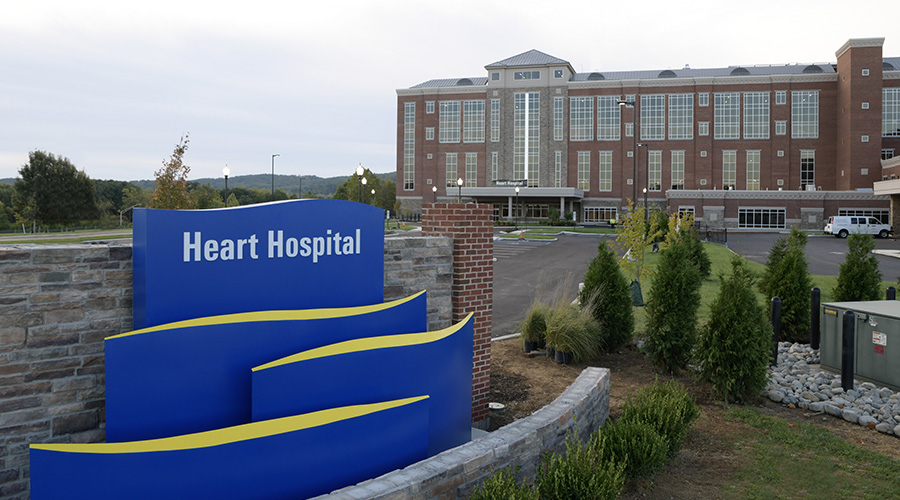 St. Luke's Heart Hospital Opens at Anderson Campus in Pennsylvania