Is there any area of healthcare facilities that the COVID-19 pandemic didn’t change? The short answer is no. Everything has changed for facilities managers, some processes have only begun to assess the lessons of the pandemic and how those lessons will affect future processes and projects. Consider new construction.
More than a year into the pandemic, healthcare construction is continuing its transition from reacting to adapting and innovating, according to Medical Construction & Design. One aspect of healthcare construction especially impacted by COVID-19 has been infection control. Construction managers are closely evaluating ways to enhance infection control practices to protect hospitals’ staff and their vulnerable patients, which include the following considerations.
COVID-19 is leading construction firms to pay more attention to control and mitigation of potential contaminants in the air, which is leading to greater scrutiny of infection control plans and oversight. One construction manager says it wouldn’t be surprising to see stricter ranges for negative air pressure in anterooms and construction spaces, similar to air quality standards for hospital clean rooms. Steps like this help protect the rest of the hospital from air in construction areas.
 Elevating EVS Professionals: The Case for Certified Hygiene Specialists
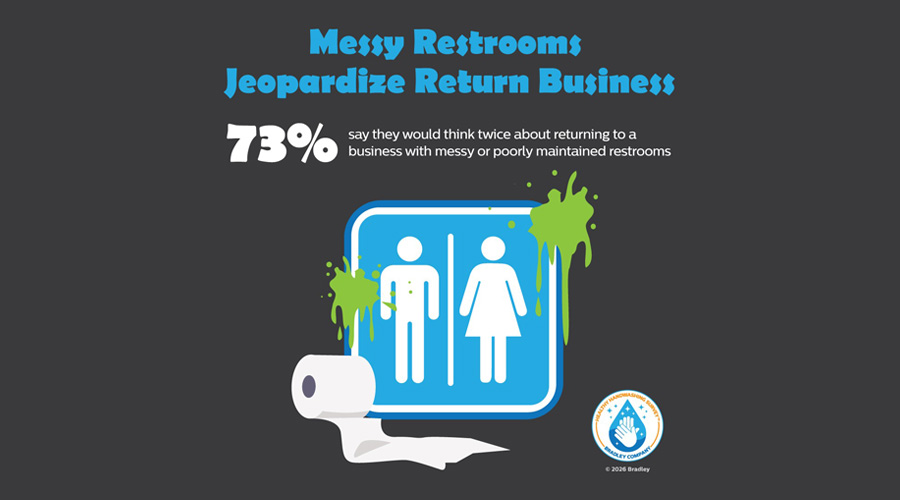 Global Handwashing Day and the Importance of Well-Maintained Restrooms
 Duke Health and CaroMont Health Partner to Develop Two New Hospitals
 Designing for the Psychology of Waiting
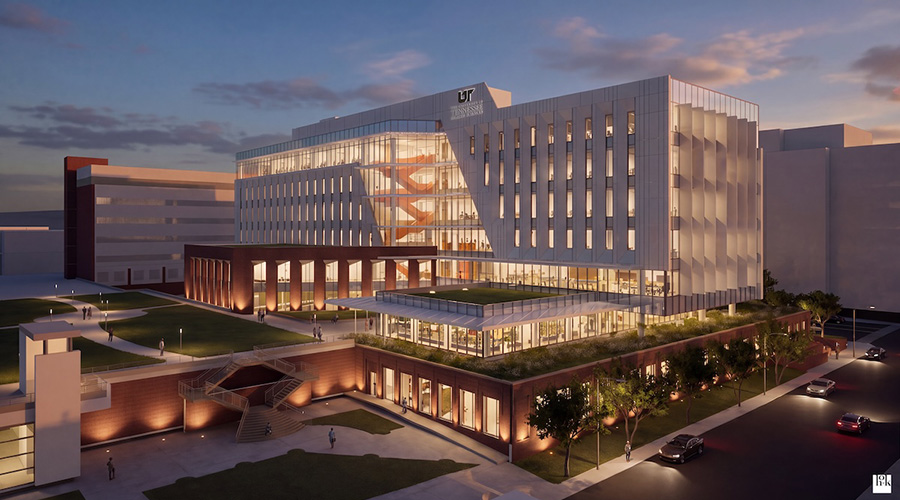 UT Health Sciences Breaks Ground on College of Medicine Interdisciplinary Building