In construction, evidence-based design has been most strongly adopted by the healthcare market. While healthcare facility designers clearly appreciate performance data in informing future design decisions, to date industry efforts have been isolated, creating roadblocks for building easily searchable and robust databases with standardized data reporting.
Among the research options available for evaluating architecture, four are called out as being particularly beneficial in a Healthcare Design article. The first two are case studies and post-occupancy evaluations. Both of these are common in the field. Case studies collect factual project data such as floor plans as well as design intent. They can also include an evaluation component based on site observations and stakeholder interviews. Post-occupancy evaluations focus on the specific performance goals of the design and seek to measure if the goals were met.
The difficulty regarding the value of both case studies and post-occupancy evaluations for the broader design community is that "there isn’t a coordinated effort that coalesces around a standardized framework, methodology, metrics and data collection tools," says the article.
Other useful tools for evaluating architectural design are architectural prototyping and focused research studies. The article states that prototyping is more rigorous than casual mock-ups, stressing a standardized, replicable design and evaluation process.
Focused research studies tend to come from outside the architecture field, so the industry has ramped up efforts to increase research into architecturally-relevant questions. Recent research into issues such as acoustics guidelines and patient room handedness has been co-sponsored by the Academy of Architecture for Health Foundation and the AIA Academy of Architecture for Health (AAH), the article says. Organizations such as these are interested in developing funding for further research and standardizing research findings in accessible databases. One such database, The Knowledge Repository, has already been started.
Read the article.

Design industry seeks to standardize research efforts
Healthcare design organizations are interested in developing funding for further research and standardizing research findings in accessible databases.
By Healthcare Facilities Today
February 22, 2013
Topic Area: Architecture
Recent Posts
 What Accessibility in Senior Care Facilities Should Look Like
The future of design for senior care facilities should go beyond compliance.
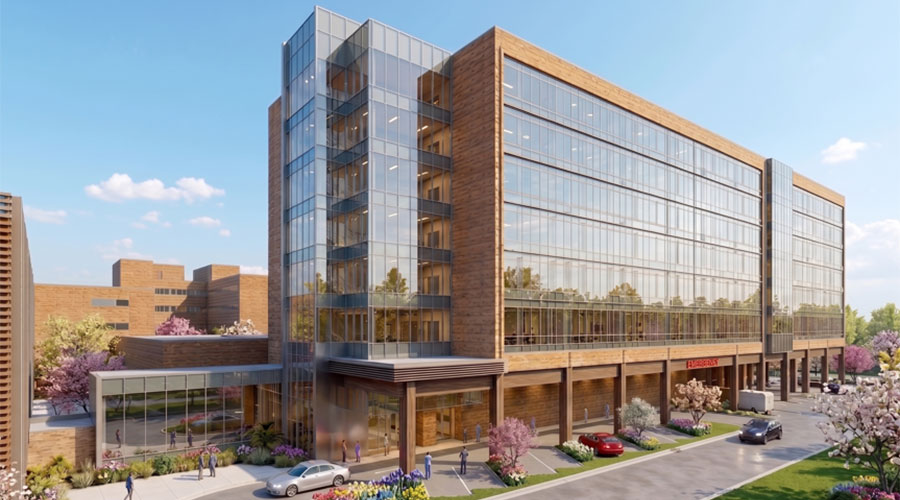 Corewell Health to Expand Grand Rapids and Troy Hospitals
Major expansions at Corewell Health Butterworth Hospital in Grand Rapids and Corewell Health Beaumont Troy Hospital are planned.
 Shoshone Medical Center Reports Data Breach
In response to this incident, it has implemented additional security measures within its systems and is reviewing its current policies and procedures related to data security.
 Cyberattack Results in Patient Reroutes at Anne Arundel Medical Center
A recent cyberattack on Luminis Health Care led to care disruptions and treatment cancelations at Maryland hospital.
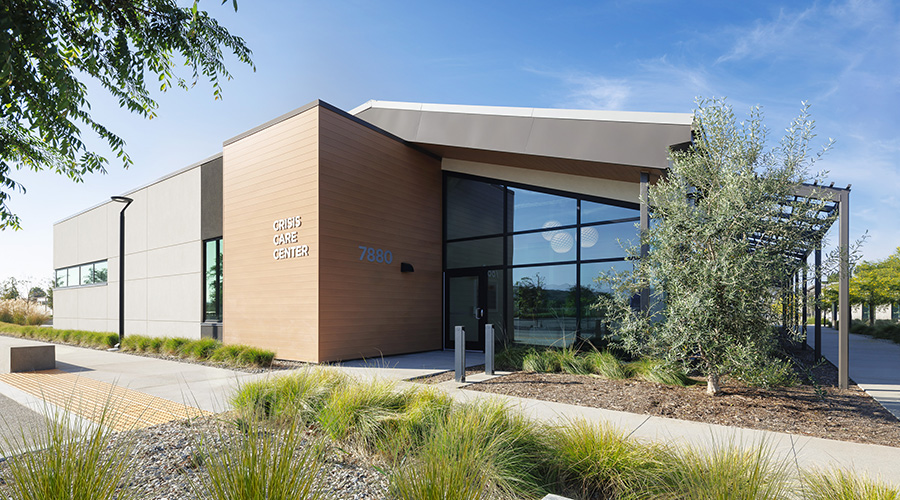 Tangram Furnishes Be Well OC Irvine Behavioral Health Campus
Case study: Through a public-private partnership, Be Well OC’s 22-acre Irvine campus expands Orange County’s continuum of behavioral healthcare.