
Debbie Gregory, R.N., a nurse and design consultant said efficient, safe spaces must accommodate new technology and the human touch, according to an article on the Hospitals & Health Networks website.
"One of the most important keys to improving quality and safety in healthcare today is interprofessional collaboration. Input from the clinical, biomedical, pharmacy, infection control, information technology, environmental services and other disciplines is vital to achieve optimal healing environments," she said in the article.
The explosion of technology has created challenges for architects and designers trying to integrate it with infrastructure, space planning and strategic management. The key is to create a strategic technology master plan that aligns with the vision and mission of the health system, Gregory said.
She also recommended creating a position on the owner side dedicated to the project to represent the clinical voice with an understanding of the health system culture and mission and can be a continuous thread throughout the design project.
 What Accessibility in Senior Care Facilities Should Look Like
 Corewell Health to Expand Grand Rapids and Troy Hospitals
 Shoshone Medical Center Reports Data Breach
 Cyberattack Results in Patient Reroutes at Anne Arundel Medical Center
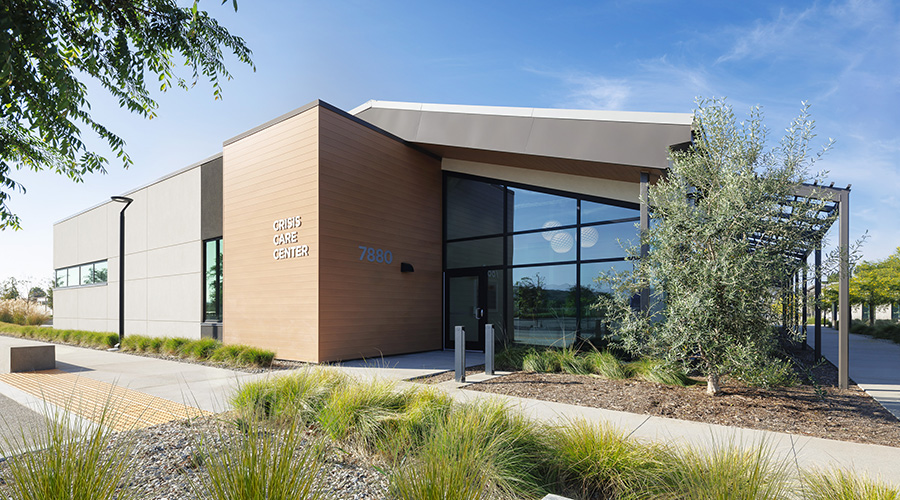 Tangram Furnishes Be Well OC Irvine Behavioral Health Campus