
As facility managers begin focusing on their 2020 priorities, Goodway Technologies is sharing a reminder about the importance of reducing potential health risks and hazards. One of those risks, and a deadly one, is the possible development of Legionella.
-
Inspect Towers Monthly. Look for sediment, scale and slime, which can lead to buildup and help legionella grow and thrive.
-
Clean Tower Basin Surfaces. Clean the basin when sediment is visible. Cooling tower vacuums make it easier to remove contaminants without shutting down or draining your system.
-
Treat Circulating Water. Use a biodegradable descaler/antiscalant and dose biocides at recommended levels. Using a descaler in conjunction with biocides enhances biological control. A descaler will help remove tough scale allowing biocides to tackle legionella in the tower more effectively.
-
Drain and Clean. At least once a year, take the time to drain your system and perform a thorough cleaning before turning it back on. If your system has been offline for a long period of time, be sure to disinfect.
-
Clean the Fill. The tower fill is the perfect environment for bacterial growth, especially legionella. A cooling tower fill cleaner will remove lime scale and debris.
March 11, 2020
Topic Area: Press Release
Recent Posts
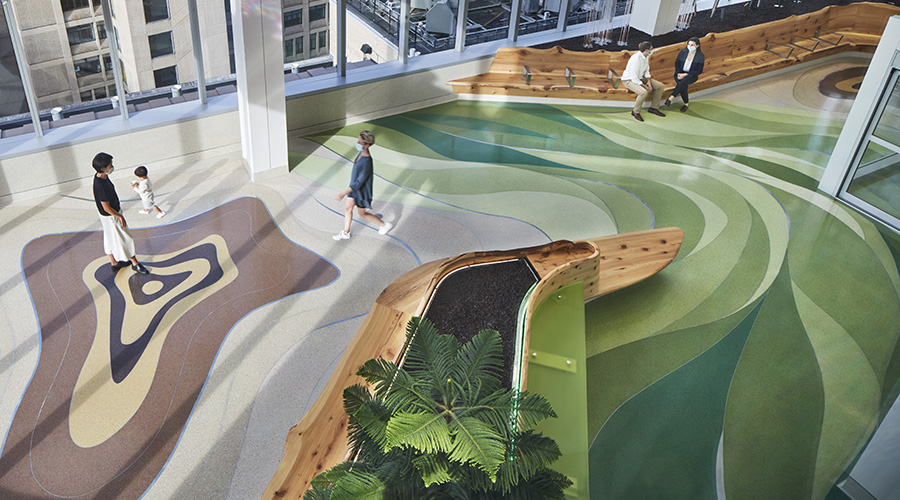 Creating Healthcare Campus Master Plans That Allow Movement and Respite
A thoughtful campus master plan looks beyond buildings to the corridors and transitional spaces that shape how people experience healthcare environments.
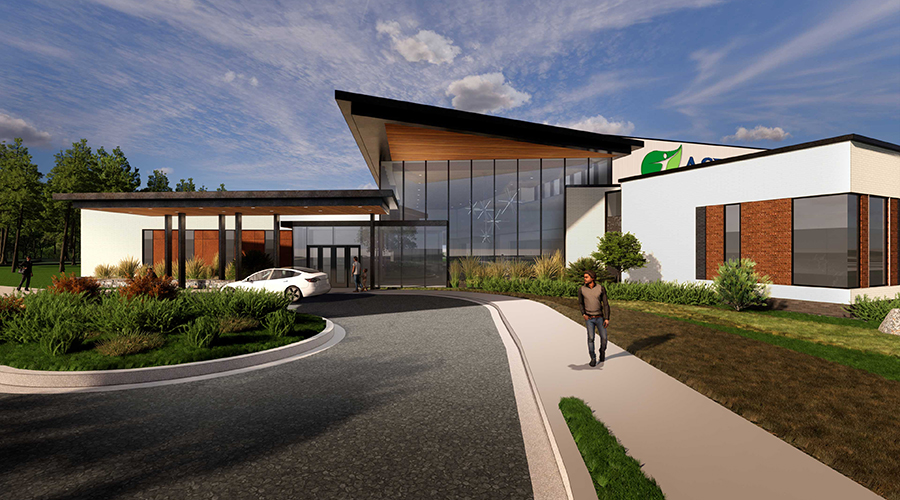 Aspirus Health Celebrates Opening of Chippewa Falls Hospital and Clinic
The new facility combines hospital and clinic services in one location and is designed to support patients with coordinated, patient-centered care.
 AdventHealth to Open Aurora Highlands Medical Campus
AdventHealth Aurora Highlands includes a 24-hour freestanding emergency room, outpatient imaging and clinic services.
 The Future of Healthcare Facility Construction Projects
Brian Cowperthwaite highlights the invisible work that impacts everyone who walks through a healthcare facility.
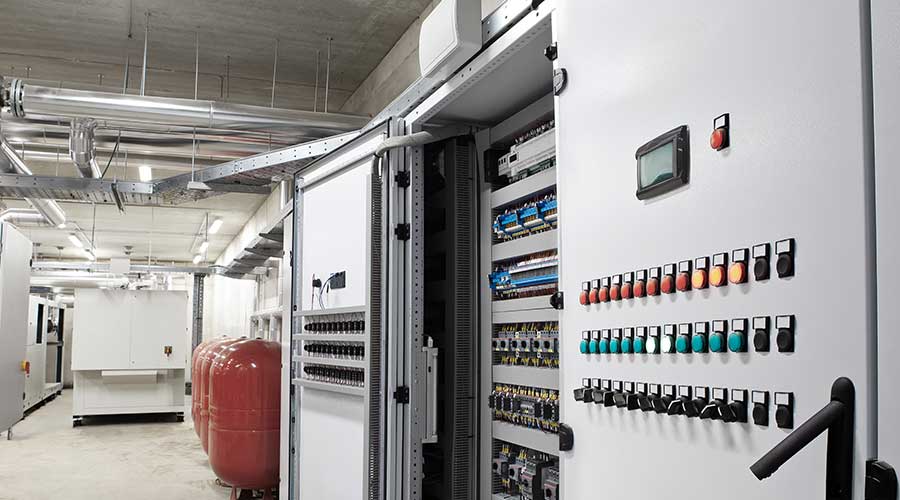 Arnprior Regional Health Upgrades Building Controls to Improve IEQ
Case study: They wanted to improve the hospital facility’s IEQ to support patient care and reduce long-term operating costs.