
Hurricane Matthew and its aftermath brought failing generators, impassable roads and people looking for shelter to Southeastern Regional Medical Center in Lumberton, N.C., according to an article on the Emergency Management website.
Hospital officials knew they would likely lose power and would need to open a command center to oversee operations.
As part of their emergency response plan, they keep 72 hours of food and equipment on hand as well as 48 to 96 hours of generator fuel.
“What we didn’t anticipate was the total impact of the hurricane itself. We didn’t anticipate 15 inches of rain. We didn’t anticipate a sustained period of flooding like we had to the magnitude that we had. We didn’t anticipate the number of trees that were going to be down and the fact that they would not only be down on power lines knocking out power, but also on roads and that the roads would be so significantly impacted by it,” said Joann Anderson, president and CEO of Southeastern Health, in the article.
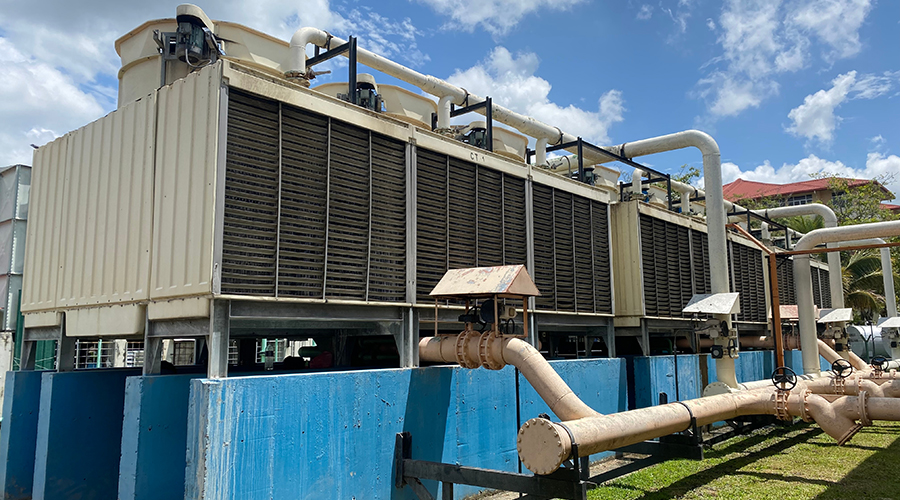 Cooling Towers at NYC Health + Hospitals/Lincoln Test Positive for Legionella
 Prefabricated Wall Panels Accelerate UCF Lake Nona Medical Center Construction
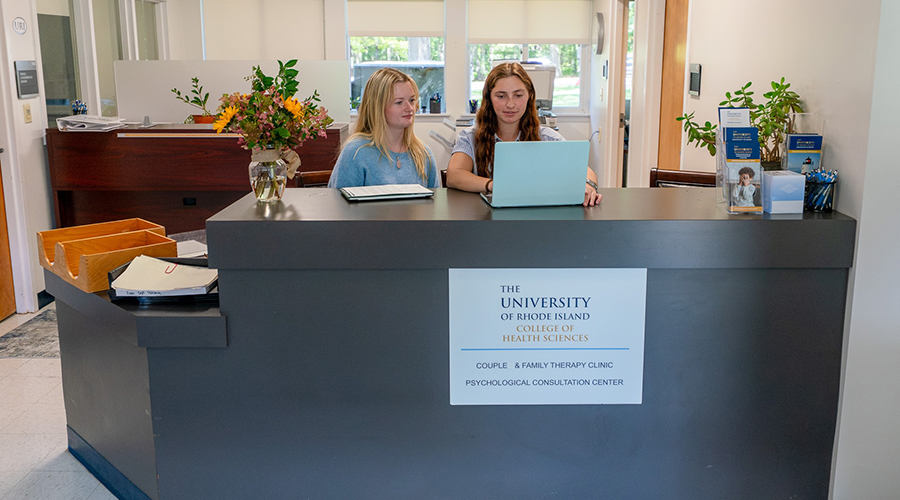 University of Rhode Island Adds Clinical Space
 How Retail Design Principles Can Improve Healthcare Wayfinding
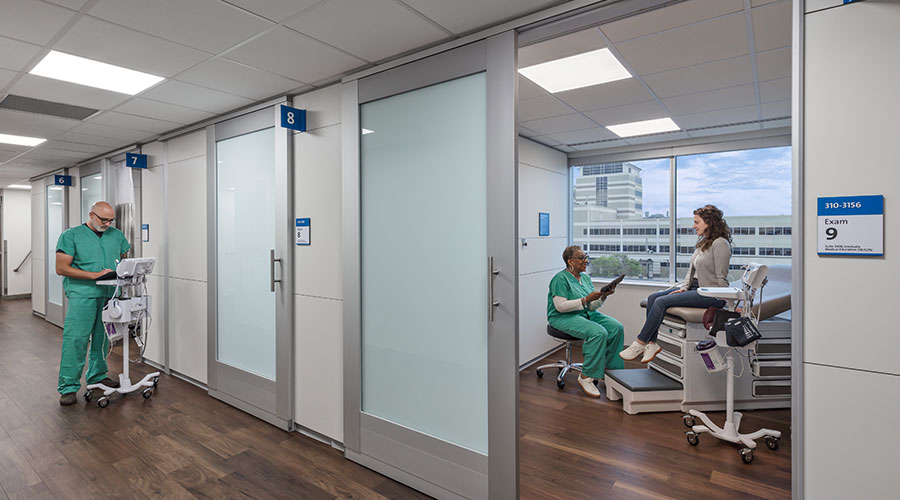 Flexible Design Strategies Help OhioHealth Maximize Clinical Space