
Frost & Sullivan’s latest analysis, Immuno-oncology Therapeutics Market—Adoptive T-cell Therapies, Forecast to 2022, finds that the market is expected to generate revenues of $3.9 billion by 2022. Promising clinical trials in artificial T cell receptors (CAR-T) and T-cell receptor (TCR) therapies have inspired significant partnerships worth billions of dollars between large pharmaceuticals, small companies and research institutions. Frost & Sullivan expects medium-to-small-sized companies with innovative immuno-oncology products in development to receive considerable investment income through collaborations. Cell therapy-focused companies will help overcome challenges with this highly specific class of targeted drugs.
For further information on this analysis, please visit: http://frost.ly/2adFrost & Sullivan’s recent analysis assesses which adoptive T-cell (CAR-T & TCR) therapies are in development and for which indicators, products launching in the next seven years, key players and their investment activities, cost implications, challenges to development, commercialization of adoptive T-cell therapies, and hurdles payors face relating to the high cost of speciality therapeutics.
“CAR-T therapies are the newest cancer treatments transforming the treatment paradigms of previously difficult-to-treat cancers, with Juno, Gilead and Novartis jockeying for the best-in-class status. Adverse events such as reduced cytokine release syndrome (CRS) as well as decreased vein-to-vein times will contribute to product success. Ongoing research aims to develop allogenic therapies that would replace autologous, patient-specific ones for off-the-shelf therapies from unrelated donors—a treatment accessible to a greater number of patients,” said Barbara Gilmore, Transformational Health Senior Industry Consultant at Frost & Sullivan.
To succeed in a highly competitive environment, Gilmore recommends companies tap into research advances in combination trials targeting more than one pathway to increase response rates over single targeted agents. A combination product produced by one company should be priced more competitively than targeted agents developed and marketed through a competitor’s alliance.
Four strategic imperatives for growth include:
1. Focusing on identification of cancers with few existing treatments and where immuno-oncology products can better treat patients;
2. Genetically engineered cell therapies providing real-time access to outcomes remission and survival data from in-progress clinical trials, enabling payers and policymakers to determine the potential value of therapies;
3. Partnerships to invest in CAR-T and adoptive T-cell therapies to facilitate the advancements in the treatment of cancers and other diseases with immune cell affect potential; and
4. Investing in supply chain applications related to cryopreservation, lentivirus creation, and allogenic product development to facilitate broader access to this type of therapy.
“Lack of manufacturing infrastructure, high pricing, and undefined reimbursement policies remain notable T-cell therapy hurdles; however, the ultimate goal of increasing overall survival is not insurmountable,” observed Gilmore.
Immuno-oncology Therapeutics Market—Adoptive T-cell Therapies, Forecast to 2022 is part of Frost & Sullivan’s Transformational Health Growth Partnership Services program.
 The Role of Biophilic Design in Healthcare Facilities
 TriStar Centennial Medical Center Invests $90M in Women, Children's Hospital Expansions
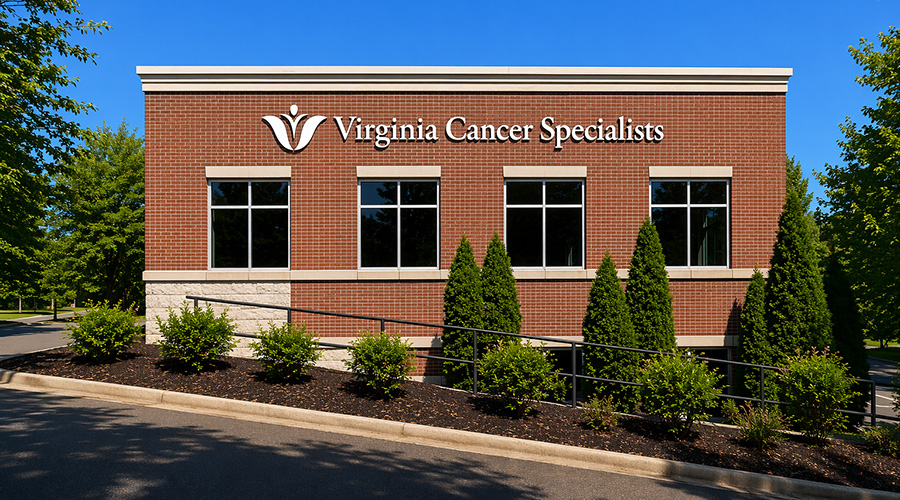 Virginia Cancer Specialists to Open Newly Expanded Fauquier Location
 Emergency Preparedness: Building a Stronger Community
 Ground Broken on Lavine Bekenstein Cancer Hospital in Massachusetts