
Successful leaders who have raised HCAHPS scores from low to well above the national average, demonstrate that they care about everyone they come in contact with every day, according to an article on the Health Facilities Management website.
Some industry experts will suggest placing the best staff on units where the most surveys are received. This is a good approach if the leader wants to raise scores to a relatively high position for a short period. But when staffers fall ill and leaders are forced to use second-stringers, fluctuations show up in scores, the article said.
The best approach is to develop all staff members. Backup players should be qualified equally to be in the game as starting players.
There is a correlation between employee satisfaction and HCAHPS. If leaders focus efforts on improving employee satisfaction by updating their own leadership style and strategies, the end result will be a sustained increase in HCAHPS performance, the article said.
 Creating Healthcare Campus Master Plans That Allow Movement and Respite
 Aspirus Health Celebrates Opening of Chippewa Falls Hospital and Clinic
 AdventHealth to Open Aurora Highlands Medical Campus
 The Future of Healthcare Facility Construction Projects
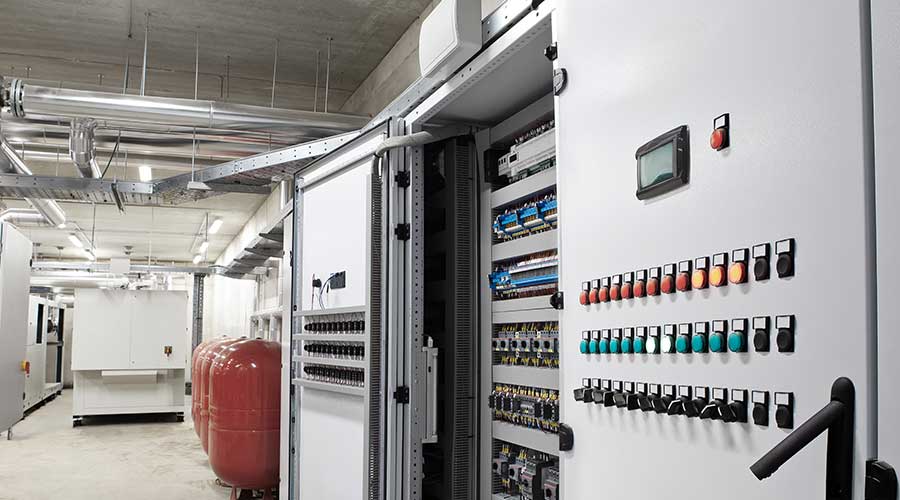 Arnprior Regional Health Upgrades Building Controls to Improve IEQ