
Onsite power generation has been used in some form since the beginning of electrification, for prime power and for utility grid backup, from small, dedicated applications to entire buildings and campuses. according to an article from Building Operating Management on the FacilitiesNet website.
Facility managers now have a growing range of options and applications available.
New goals for onsite power, and new utility programs, make it important for facility managers to understand the types of onsite power equipment available, the benefits and drawbacks of each, and how each should be used.
A close look at the choices can help facility managers determine which, if any, should be used to address a specific need.
Onsite power generation goals have always included maintaining power for life-safety systems and for critical facility functions by providing backup to long-term utility power failures. Another goal has been to reduce ongoing energy costs. More recent goals include moving towards green and renewable energy. It can be challenging to fulfill all of these goals with the same investment.
 Elevating EVS Professionals: The Case for Certified Hygiene Specialists
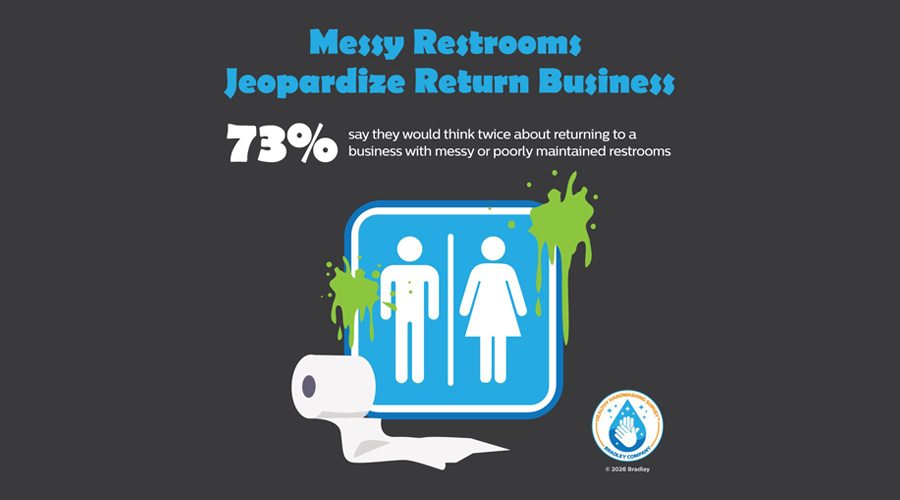 Global Handwashing Day and the Importance of Well-Maintained Restrooms
 Duke Health and CaroMont Health Partner to Develop Two New Hospitals
 Designing for the Psychology of Waiting
 UT Health Sciences Breaks Ground on College of Medicine Interdisciplinary Building