
Healthy employees are happy ones. And happy employee sare more productive ones. That’s the elevator pitch for justifying investments in health and wellness strategies for facilities, according to an article from Building Operating Management on the FacilitiesNet website.
After all, since employee salaries are easily the most expensive line item in any organization’s budget, facility managers focusing on the human factor in their buildings should be a no-brainer. Still, tying specific financial outcomes to health and wellness strategies in buildings can be tricky.
Millennials are particularly interested in health and wellness strategies that augment workplace culture. According to a study by CBRE titled “Millennials: Myths and Realities,” 78 percent of millennials say that workplace quality is important when choosing an employer. “Employers are looking for spaces that are health-promoting because that is what employees are demanding, and this directly impacts employee attraction and retention,” said Joanna Frank, president and CEO of The Center for Active Design.
“There is a growing awareness of the impacts of our environments on our health, and increasingly consumers are seeking spaces that offer clean air, safe drinking water and a sense of comfort knowing that their space is benefitting them,” said Jessica Cooper, chief commercial officer, International WELL Building Institute.
 Extreme Weather: The Maintenance-Resilience Link
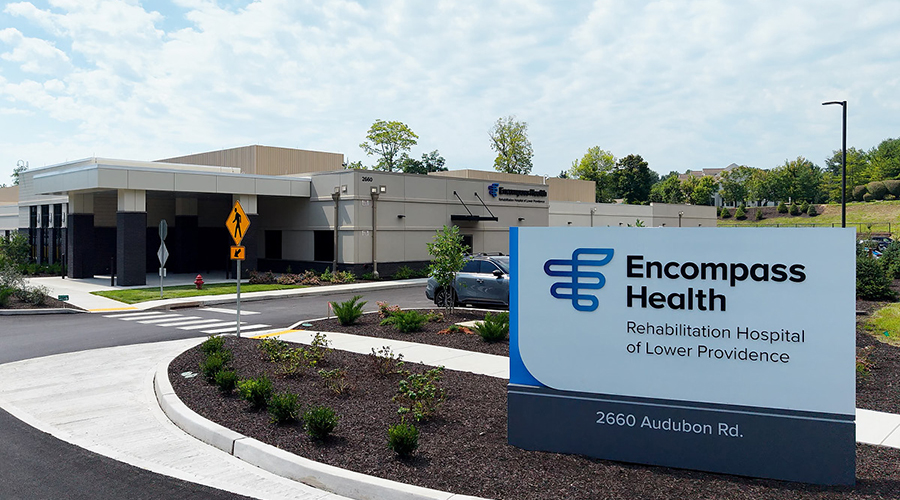 Encompass Health Lower Providence Opens in Pennsylvania
 Intermountain Health Acquires Fairbourne Building for Healthcare Hub and Medical Campus Conversion
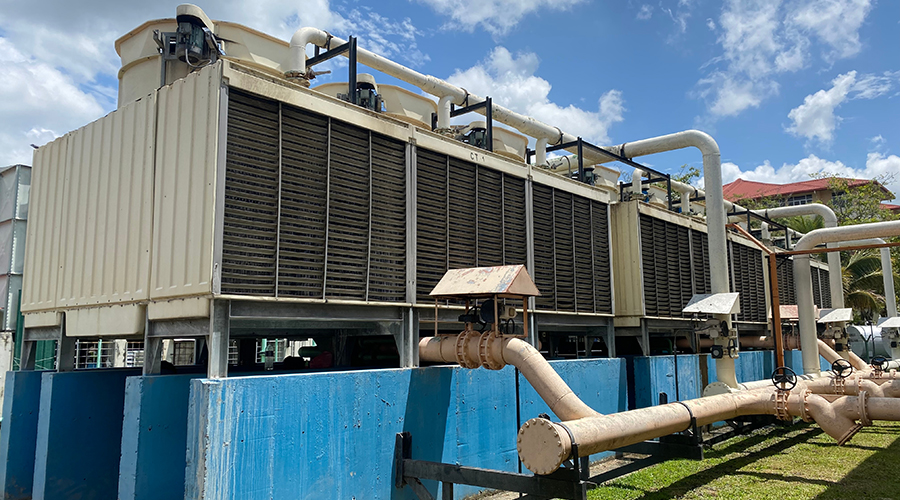 Cooling Towers at NYC Health + Hospitals/Lincoln Test Positive for Legionella
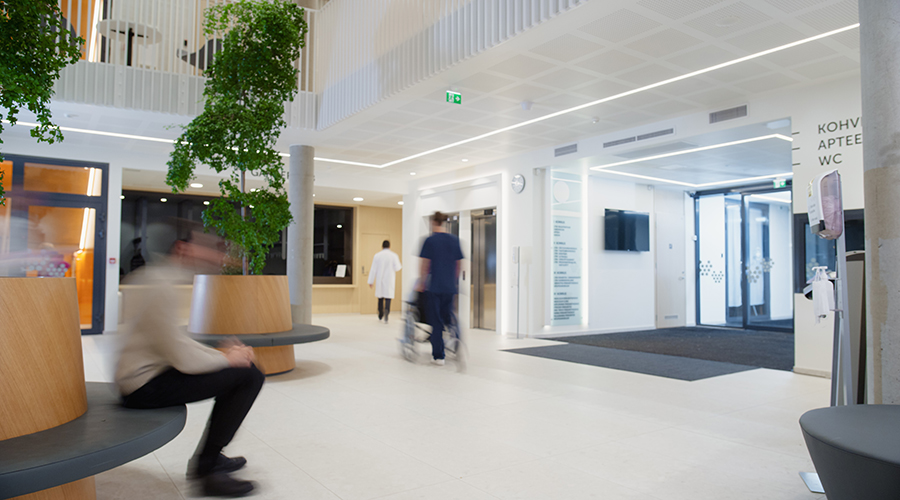 Prefabricated Wall Panels Accelerate UCF Lake Nona Medical Center Construction