When the Georgia Regents Medical Center in Augusta, Ga., began pursuing Energy Star certification in 2004, it became apparent that a lighting retrofit involving almost 12,000 lamps and ballasts on the 1.6-million-square-foot campus was a necessary step.
The lighting retrofit started in 2007 and took three years to complete over two phases. With the round-the-clock operations of a regional medical center servicing several counties, scheduling the work and coordinating with medical staff were challenges the project had to overcome, says an article in Maintenance Solutions.
The hospital originally used T12 fluorescent lamps for about 90 percent of its fixtures. An outsourced installer was contracted to swap them out for T8s. The lighting retrofit cost $433,000 and provides savings of $175,000 a year. In addition to the T8s, LED exit signage and occupancy sensors were installed where feasible.
One sensitivity the outside vendor had to be educated on during the lighting retrofit was understanding which components of the power system absolutely could not be compromised. "For example, when working in the intensive care unit, turning off the wrong switch would have dire consequences," says the article. How to maintain proper infection-control practices was another piece of education the in-house facilities team had to do.
On the horizon, the hospital will be changing out 2,000 lighting fixtures, installing more occupancy sensors and retrofitting its parking facility to all LED lighting.
Read the article.

Medical center takes big energy efficiency step with lighting retrofit
When the Georgia Regents Medical Center in Augusta, Ga., began pursuing Energy Star certification in 2004, it became apparent that a lighting retrofit involving almost 12,000 lamps and ballasts on the 1.6-million-square-foot campus was a necessary step.
By Healthcare Facilities Today
April 12, 2013
Topic Area: Energy and Power , Sustainable Operations
Recent Posts
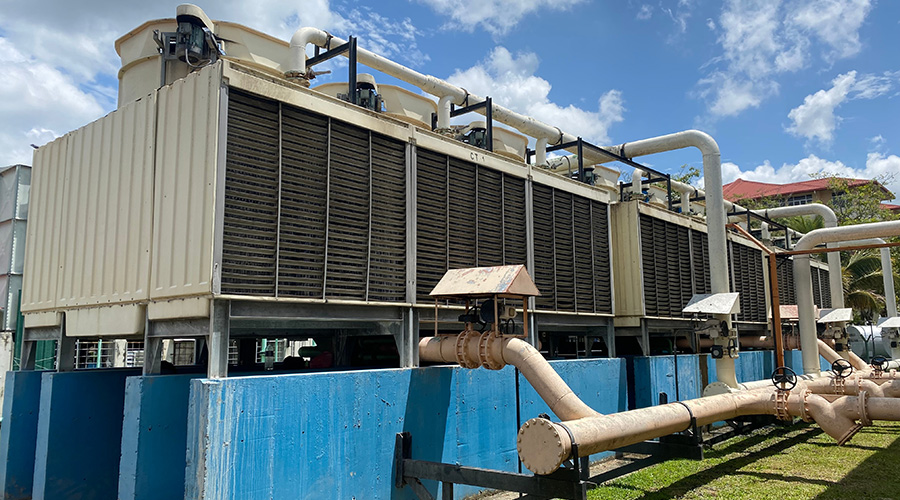 Hospitals Are Energy Super-Users. Why Is It So Hard to Modernize Them?
Managers face the ongoing challenge of finding a practical way to fund improvements while competing with capital priorities.
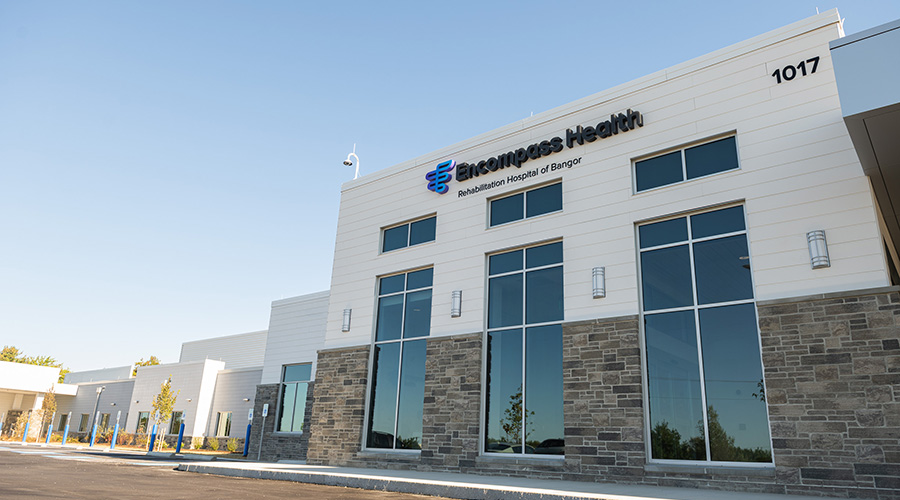 Encompass Health Rehabilitation Hospital of Bangor Officially Opens
Encompass Health Bangor is the company’s first wholly owned hospital in Maine.
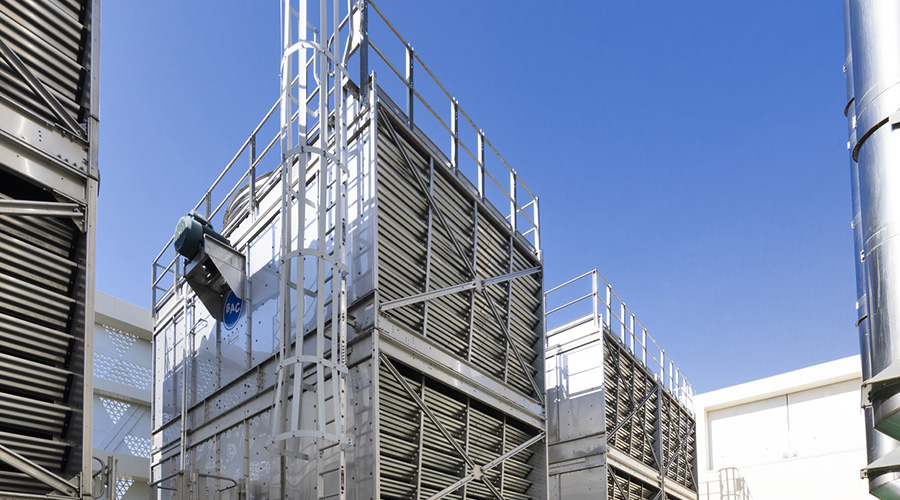 Early Entry: Manager's Critical Role in Construction Planning
Facilities managers should seek a seat at the table early to shape decisions that affect operations and continuity of care from the onset.
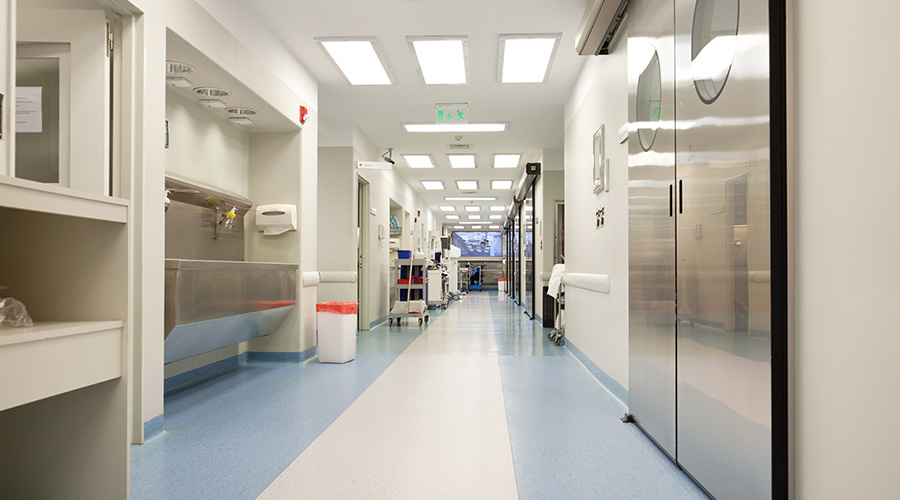 The Evolution of Lighting in Patient Care
Lighting is a significant investment that healthcare facility managers can make to aid in healing.
 HealthPartners and Essentia Health to Combine Organizations
The organizations anticipate the combination will be effective Jan. 1, 2027.