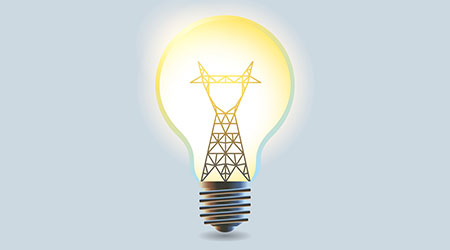
The loss of power at a hospital, can be catastrophic, according to an article on the Microgrid Knowledge website.
Hospitals need electricity for day-to-day needs as well as critical functions such as ventilators and dialysis machines.
Hospitals can also be a shelter for the surrounding community during emergencies. Because of this hospitals need some form of backup power. A microgrid can combine a variety of energy sources while managing energy supply and demand. During an emergency, a microgrid can continue to supply the hospital with power when the surrounding grid goes down.
Plus, microgrid prices are becoming more competitive, and the COVID-19 pandemic has forced hospitals to be flexible in where they route and treat patients. And while hospitals generally have back-up generators for their critical branches, a power outage could cause the rest of the building to go dark, according to a Utility Dive article.
Read the full Microgrid Knowledge article.
 Reframing the Construction Manager as a Community Manager
 Health First Celebrates 'Topping Off' Ceremony for New Cape Canaveral Hospital Campus
 The University of Hawai'i Cancer Center Caught Up in Cyberattack
 Mature Dry Surface Biofilm Presents a Problem for Candida Auris
 Sutter Health's Arden Care Center Officially Opens