Dr John Boyce, co-author of a review looking at the best ways to keep surfaces clean in hospitals, answers questions about the work on the On Biology blog.
Q: What did you find to be the most and least successful disinfectant technique currently available?
A: Currently, I think it is fair to say that the ‘perfect’ hospital-grade disinfectant that is ideal for use in all situations has not yet been developed.
Some factors that must be considered when selecting a disinfectant for use in hospitals include how effectively and rapidly it kills bacteria, viruses and fungi of concern, ease of use, the likelihood that repeated use may damage medical equipment, and cost.
Quaternary ammonium disinfectants are widely used because they have a broad spectrum of activity, are good cleaning agents, are generally compatible with many surfaces and are inexpensive when purchased in a concentrated form that can be diluted before use.
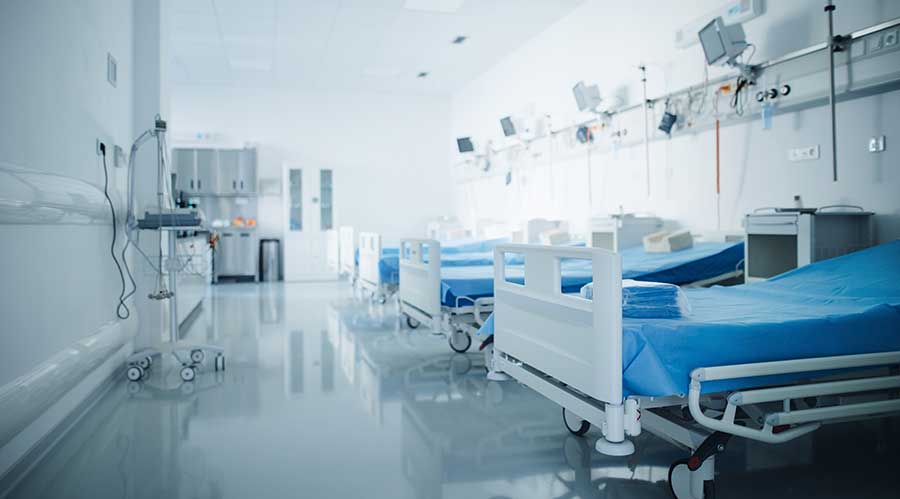 Harris Health to Build New Freestanding Cancer Center
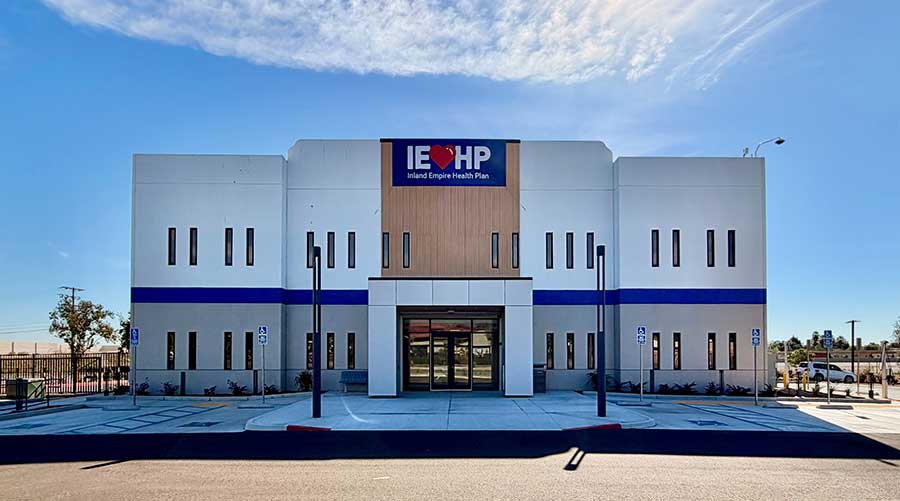 Inland Empire Health Plan Opens Expanded San Bernardino Community Wellness Center
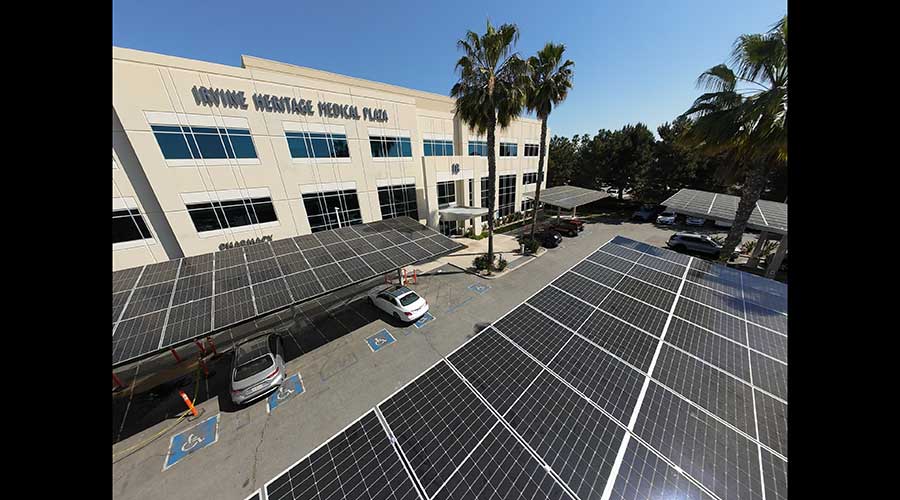 Rethinking Parking Lot Design at Irvine Heritage Medical Plaza
 Repurposing Healthcare Spaces: 5 Critical Questions
 Disinfectant Contact Time: The Case for Biofilm Disruption