
Q: Is there anywhere in the Life Safety Code that says you have to have a smoke detector inside the MRI control room? I was told that another hospital in our area had been written up by a surveyor during their triennial accreditation survey for not having one and I can't find it anywhere.
A: Ah… the ever-present phantom finding by a surveyor. No… There is no Life Safety Code or NFPA 72 requirement for a smoke detector in an MRI control room. However, depending on the situation, if there was a requirement for the entire building, or the entire area where the MRI control room is located to have smoke detectors, then the surveyor’s finding is valid.
If the MRI area was locked under section 19.2.2.2.5.2 of the 2012 LSC (Specialized Protective Measure locks), then the entire locked area needs to be protected with smoke detectors. If the MRI area was under an equivalency and is required to be protected with smoke detectors, then the control room would need one as well.
We really don’t know the rest of the story.
Brad Keyes, CHSP, is the owner of KEYES Life Safety Compliance, and his expertise is in the management of the Life Safety Program, including the Environment of Care and Emergency Management programs.
 Harris Health to Build New Freestanding Cancer Center
 Inland Empire Health Plan Opens Expanded San Bernardino Community Wellness Center
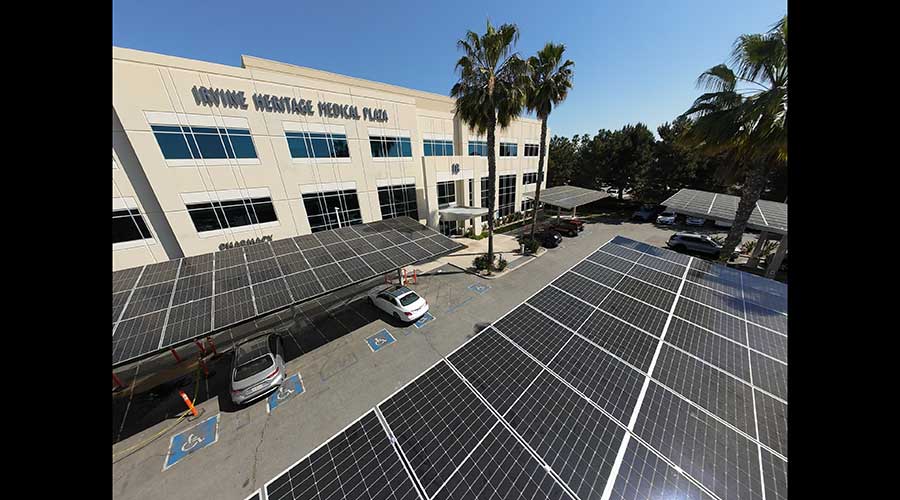 Rethinking Parking Lot Design at Irvine Heritage Medical Plaza
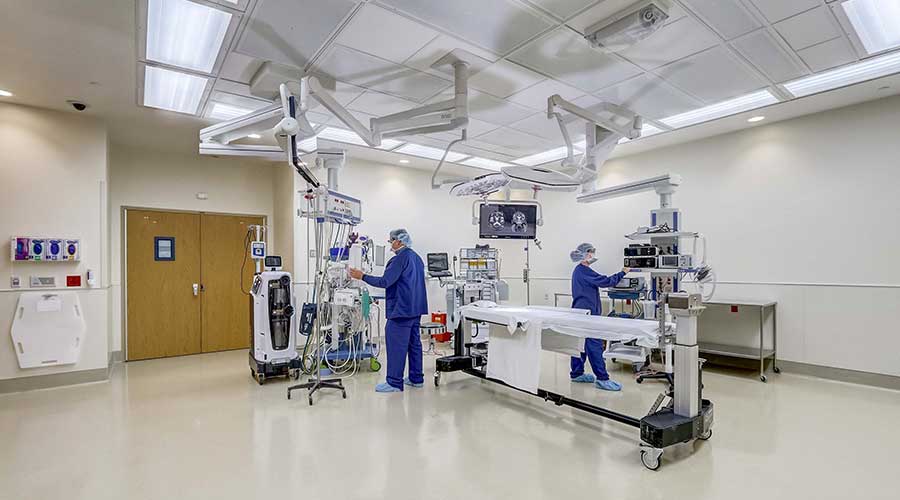 Repurposing Healthcare Spaces: 5 Critical Questions
 Disinfectant Contact Time: The Case for Biofilm Disruption