
Across California, healthcare executives are facing the prospect of spending tens of millions of dollars to retrofit aging hospital facilities by 2030, as required by state seismic safety rules, or face closure, according to an article on the Press-Democrat website.
Sonoma County hospital officials are asking state legislators to re-evaluate the 2030 deadline, and they question whether such a one-size-fits-all requirement should be applied to all hospital facilities.
“There will be unintended consequences,” Carmela Coyle, president and CEO of the California Hospital Association, said in the article. “This is very expensive. For some (hospitals), they will have to make the decision to either retrofit, rebuild or close.”
According to a recent report by RAND Corporation, the requirement that every hospital building remain operational after a major earthquake by Jan. 1, 2030 could cost hospitals across the state more than $100 billion. The hospital association said that number could double due to inflation and financing costs.
 Harris Health to Build New Freestanding Cancer Center
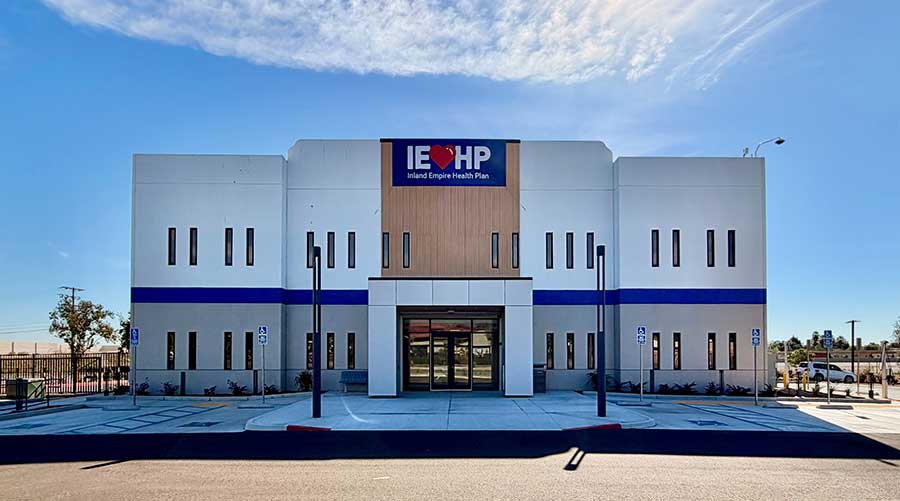 Inland Empire Health Plan Opens Expanded San Bernardino Community Wellness Center
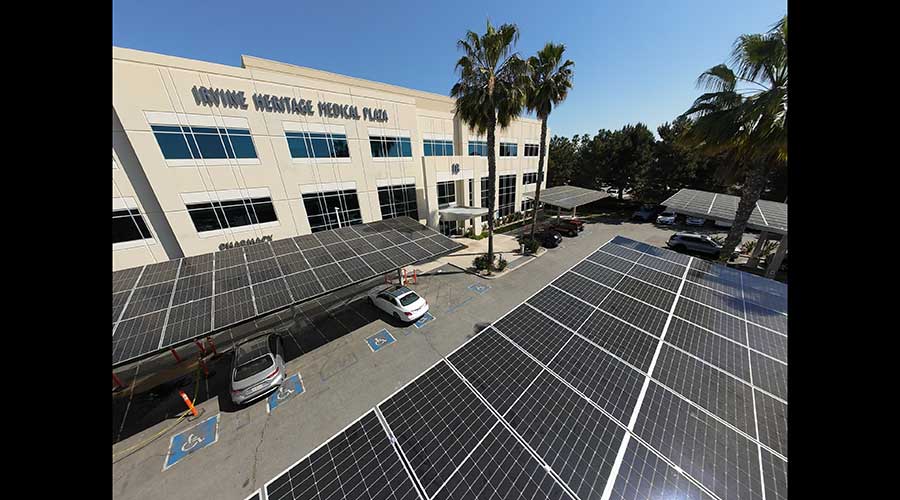 Rethinking Parking Lot Design at Irvine Heritage Medical Plaza
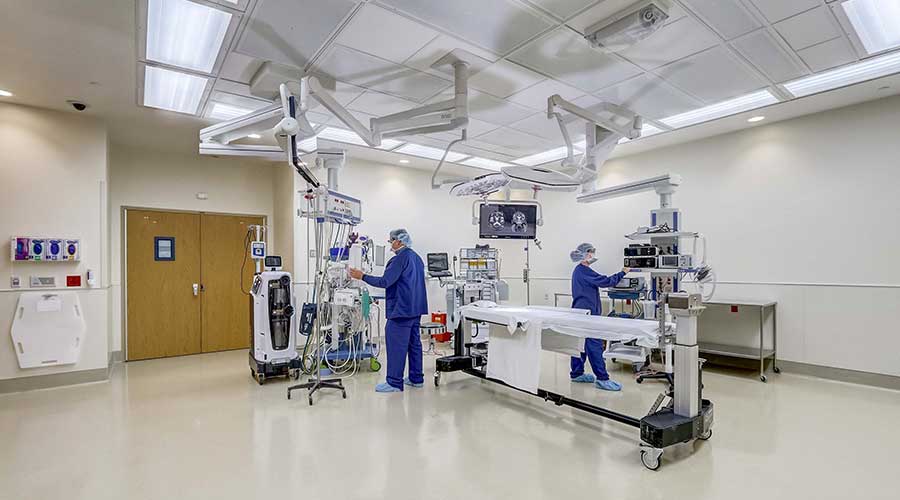 Repurposing Healthcare Spaces: 5 Critical Questions
 Disinfectant Contact Time: The Case for Biofilm Disruption