
To address daylighting challenges, facilities professionals need to manage how light comes into a building and how it impacts the activities inside, according to an article from Building Operating Management on the FacilitiesNet website.
Infrared and ultraviolet wavelengths streaming through windows, if not managed correctly, can heat building interiors, prompting the air-conditioning systems to cycle on and off to maintain the temperature. That can lead to power spikes and demand charges, and ultimately increased HVAC expense, according to Marc Brener, director, renewable and energy efficiency services with Energy Experts International.
Window films are a relatively easy way to reduce the amount of infrared radiation that comes through the window. They can potentially slash the heat that gets through by about 75 percent, Brener said. Moreover, they’re available in different colors, styles, and patterns.
Light sensors installed on the ceilings can monitor the amount of natural daylight entering the room, according to Brener. The sensors can be connected to motorized window shades and room light controls to adjust the shades so they allow a certain amount of ambient light to enter a room all day long. The ceiling or room lights also can be automatically controlled to remain off until a minimum amount of ambient light no longer exists, he adds.
Skylights can bring daylight into many areas of a facility, Brener said. That can even include buildings with multiple floors, although it requires the proper permits and design, so that daylighting pathways can be cut throughout it, from the roof down to the main floor, he adds.
Read the full Building Operating Management article.
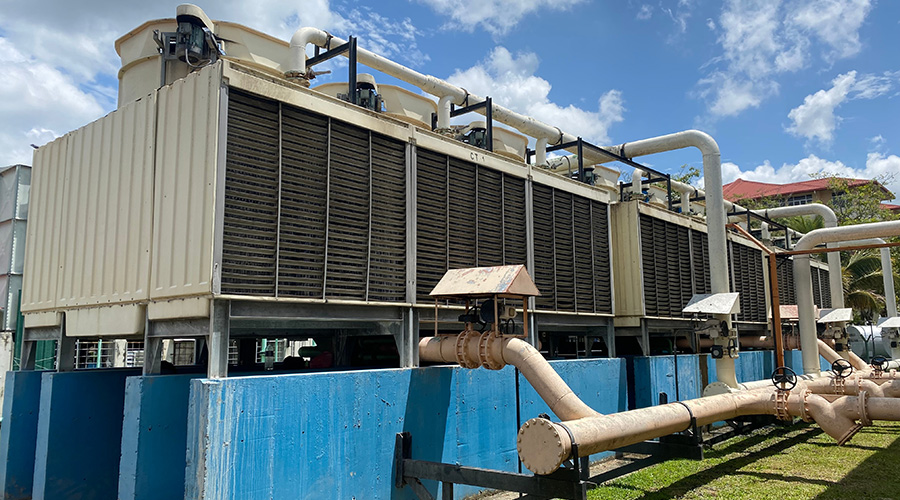 Hospitals Are Energy Super-Users. Why Is It So Hard to Modernize Them?
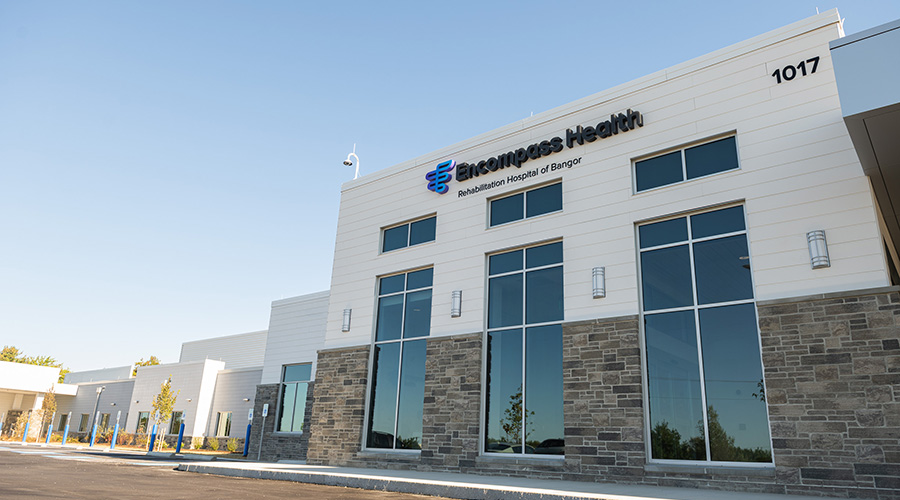 Encompass Health Rehabilitation Hospital of Bangor Officially Opens
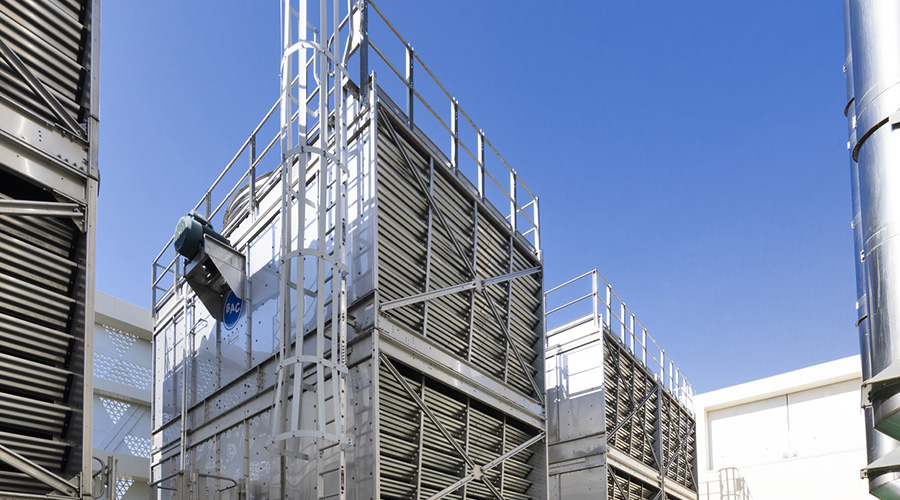 Early Entry: Manager's Critical Role in Construction Planning
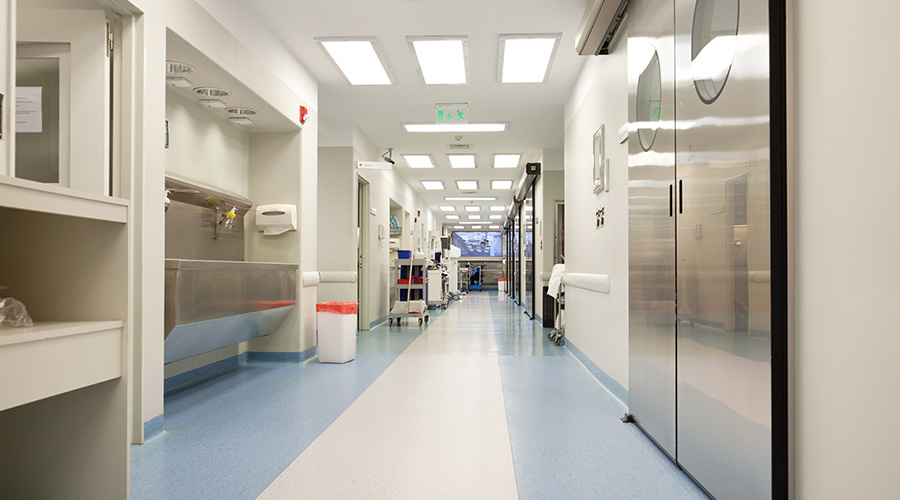 The Evolution of Lighting in Patient Care
 HealthPartners and Essentia Health to Combine Organizations