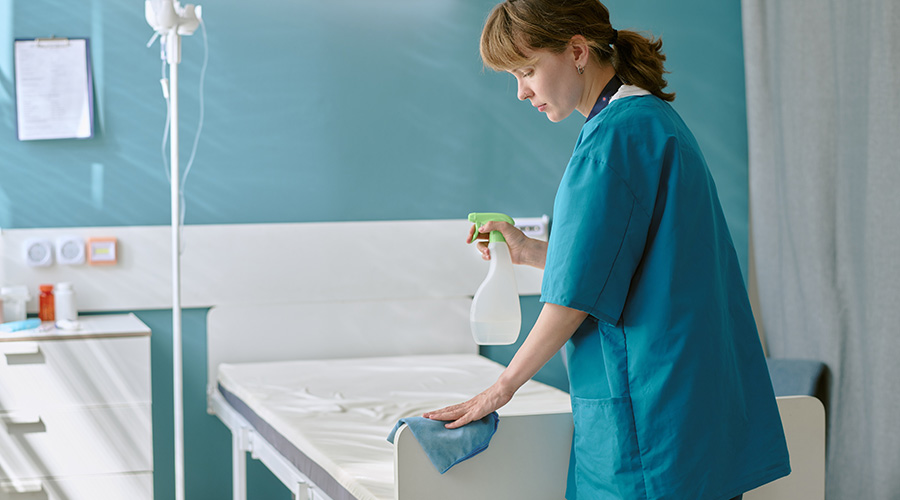
When executing the terminal cleaning of hospital rooms, a checklist is a standard tool to guide the cleaning staff.
But new research presented at the 45th Annual Conference of the Association for Professionals in Infection Control and Epidemiology (APIC) suggests that the protocol is only as good as the list itself, according to an article on the Eureka Alert website.
The environmental services team at Summit Health, a hospital in rural Pennsylvania, used a 175-item checklist in 2017 to guide terminal room cleaning.
The list included the dry-erase white boards, but did not include the markers or the erasers.
In an inspection of 55 cleaned and prepared patient rooms, 39 markers and 52 erasers were tested for the presence of Adenosine triphosphate, an indicator for the presence of biological residues. Not a single marker and only two erasers passed the test.
More than 95 percent of the other checklist surfaces passed.
"Although they are just small writing instruments, both the markers and erasers tested at 40 times the threshold. Because these are a main communication tool for nurses, cleaning them properly is of great significance to improving infection prevention,” Ericka Kalp, PhD, MPH, CIC, FAPIC, lead study author and director of epidemiology and infection prevention at Summit Health, said in the article.
Summit has used the checklist since 2012. Both markers and the erasers have since been added to the list.
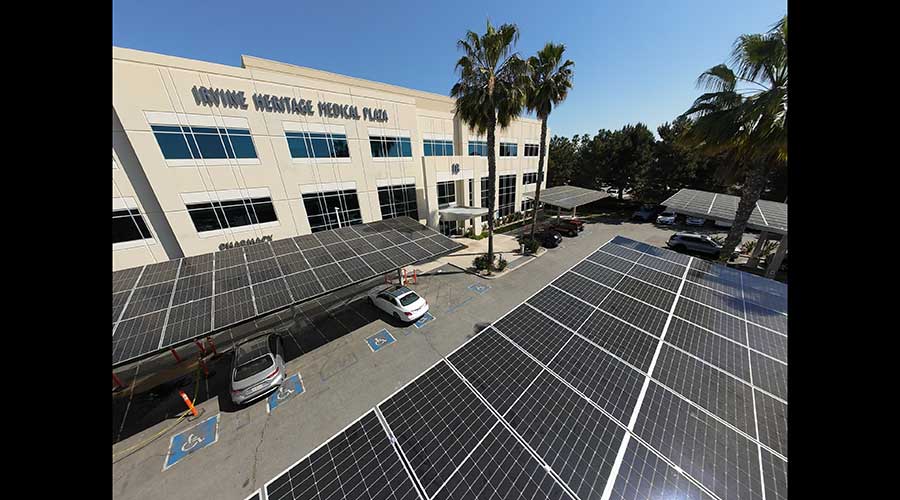 Rethinking Parking Lot Design at Irvine Heritage Medical Plaza
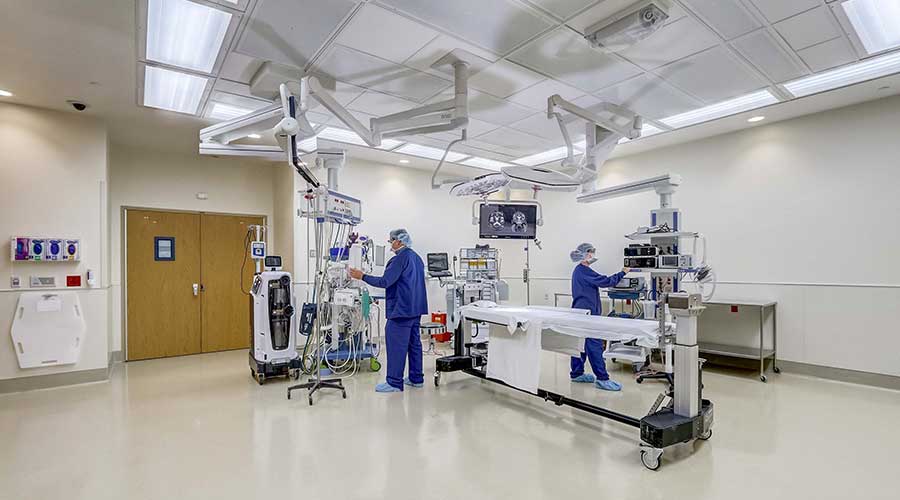 Repurposing Healthcare Spaces: 5 Critical Questions
 Disinfectant Contact Time: The Case for Biofilm Disruption
 Rethinking How Healthcare Facilities Fund Construction Projects
 Putting Trauma-Informed Design into Practice