
· ACCEL is a unique transportation system offering high capacities and high speeds for short distances, with no waiting times for passengers and low implementation costs.
· The ACCEL transportation system facilitates the building of passenger feeders to existing metro stations and is an alternative to building expensive additional stations or carving complex underground connections.
· ACCEL also benefits airport operators looking to improve transit times between gates or between distant parking bays and the airport. For airport operators, it eliminates the need and high costs associated with providing buses, automated people movers, or sky-trains.
· ACCEL’s linear motor technology ensures passengers step onto the belt at normal walking speeds of 0.65 m/s (2.35 km/h), accelerate smoothly up to 2 m/s (7.2 km/h), and then decelerate back to normal walking speeds before leaving the system. For passengers who continue walking while on the belt, speeds of up to 3.3 m/s (12 km/h) can also be achieved.
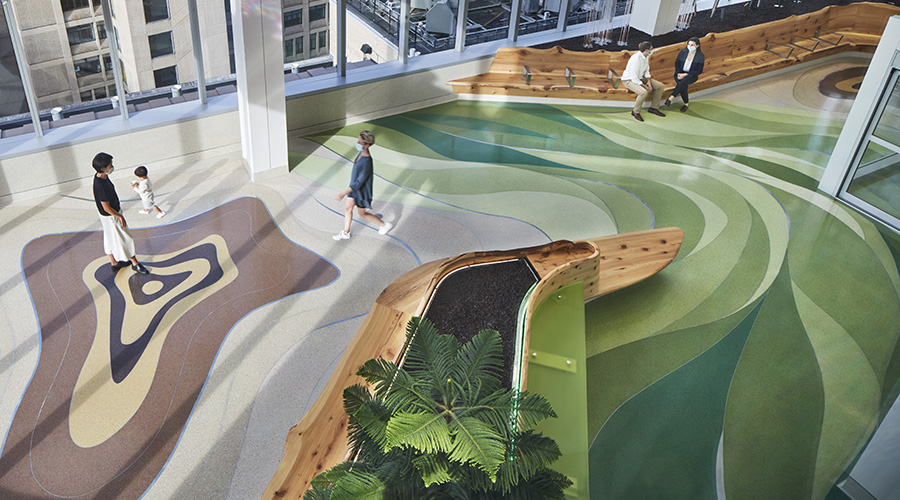 Creating Healthcare Campus Master Plans That Allow Movement and Respite
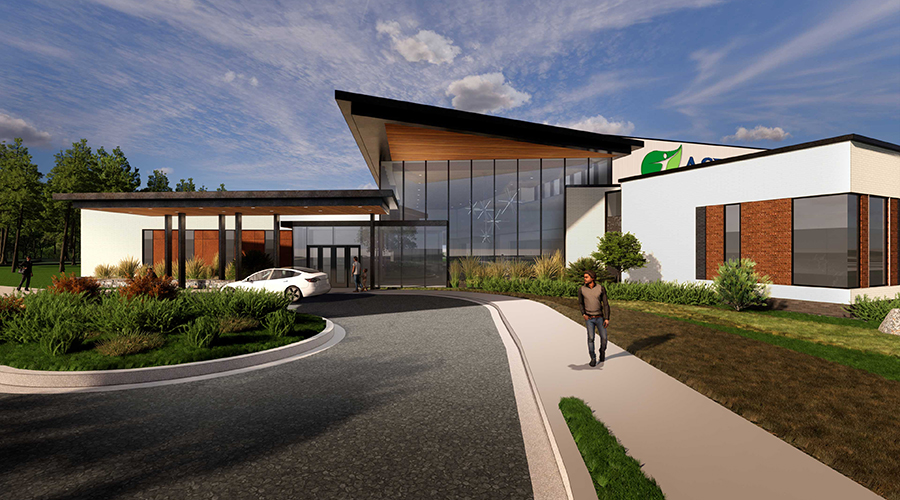 Aspirus Health Celebrates Opening of Chippewa Falls Hospital and Clinic
 AdventHealth to Open Aurora Highlands Medical Campus
 The Future of Healthcare Facility Construction Projects
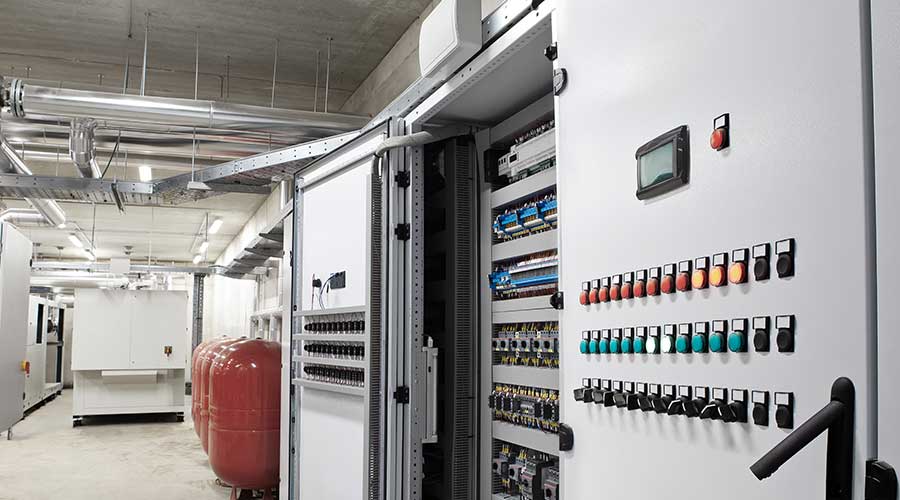 Arnprior Regional Health Upgrades Building Controls to Improve IEQ