
North Central Health Care (NCHC) has selected Cerner Corporation® (NASDAQ: CERN), a global health care technology company, to implement its electronic health record (EHR) at three multi-specialty behavioral health care facilities across Wisconsin. Through this agreement, NCHC will use Cerner’s industry-recognized technology to provide physicians, therapists and nurses with near real-time patient information to help drive efficiencies and improve care.
Recently, the COVID-19 pandemic has reinforced the importance of robust health technology to treat physical and mental health concerns. A recent Kaiser Family Foundation poll stated that 45% of adults in the U.S. report their mental health has been negatively impacted due to worry and stress caused by the uncertainty of the virus.
“We look forward to working with North Central Health Care to support their mission to provide compassionate and high-quality care for people with mental and behavioral health needs,” said Adam Laskey, vice president, Behavioral Health, Cerner. “The timing couldn’t be more relevant with the current coronavirus pandemic – and the recovery phase to come – causing unprecedented levels of demand on behavioral health organizations like NCHC. Our unified solution seeks to make it easier for providers to deliver the integrated and accessible care necessary, including in virtual settings, to support patients on their recovery journey.”
Through its foundational EHR, Cerner’s work with NCHC will help facilitate integrated care across its mental and behavioral health services including psychiatric, emergency, rehabilitation, community treatment and more.
“It was extremely important for us to choose a system that aligns with our strategic imperative - to provide quality care that is consistently superior and adopts advanced technologies that help us reimagine our environments to truly be patient-centered,” said Michael Loy, CEO, North Central Health Care. “Cerner’s technology platform will help deliver an improved engagement with our patients, while providing our team of talented professionals with a user-friendly system that seamlessly improves outcomes across our multitude of programs.”
Cerner’s patient portal solution, available through the HealtheLifeSM portal, can help better position health systems like NCHC to offer more care options to patients. After implementation, care teams and patients will be able to use a secure online patient portal, giving around-the-clock access to health records and the ability to message health providers and schedule appointments. Additionally, NCHC therapists and providers will be able to see patients virtually through this portal.
Cerner’s Behavioral Health technology supports the clinical and financial needs of inpatient, outpatient and community behavioral health providers across the country. Earlier this year, the Behavioral Health EHR was named a KLAS Category Leader, by a leading health care IT data insights company. Cerner’s KLAS distinction highlights the company’s commitment to helping clinicians speed up the diagnosis process and track symptoms across different health systems.
 Extreme Weather: The Maintenance-Resilience Link
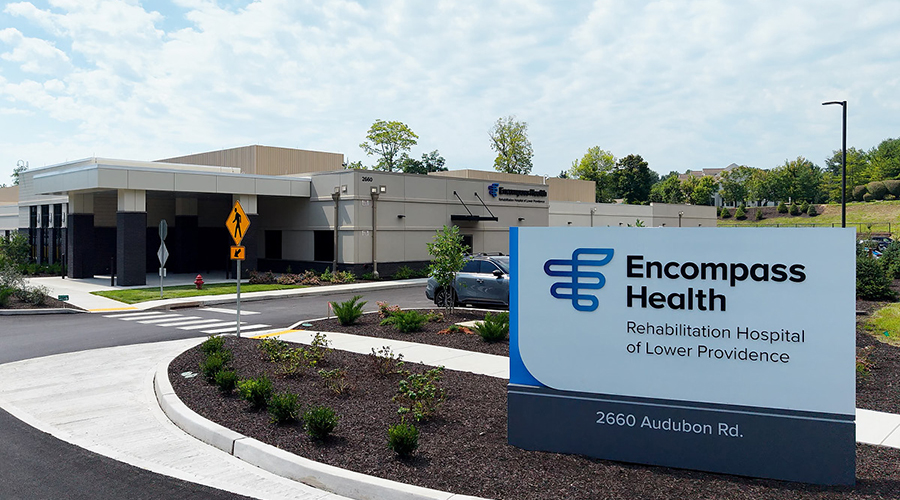 Encompass Health Lower Providence Opens in Pennsylvania
 Intermountain Health Acquires Fairbourne Building for Healthcare Hub and Medical Campus Conversion
 Cooling Towers at NYC Health + Hospitals/Lincoln Test Positive for Legionella
 Prefabricated Wall Panels Accelerate UCF Lake Nona Medical Center Construction