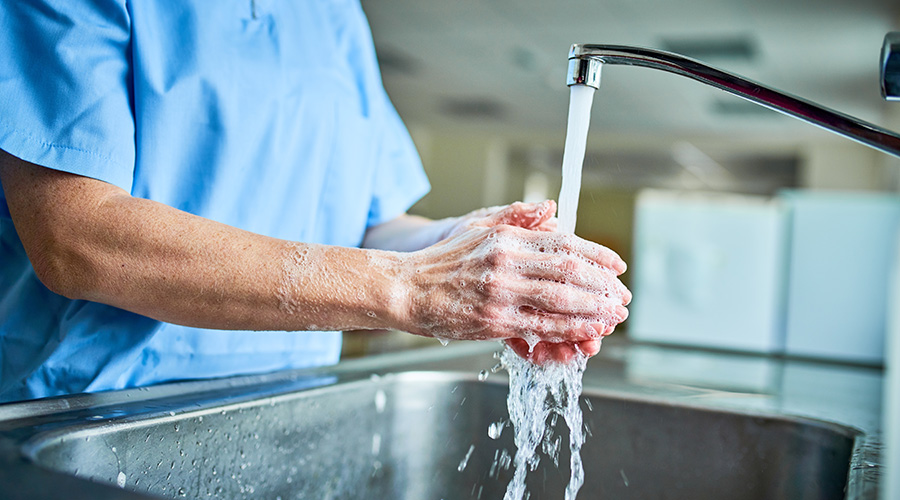
Hand hygiene is crucial for preventing healthcare-associated infections (HAIs) and the spread of pathogens. While it may seem like a basic task, implementing a hand hygiene process in healthcare facilities can get complicated quickly. The Centers for Disease Control and Prevention (CDC) established a comprehensive guideline in 2002 to encourage proper hand hygiene adherence.
It remains the standard, as the CDC continues to refer to the guideline when making hand hygiene recommendations. Here are a few of the key breakdowns from the guide.
Soap Type
The guide describes over eight different types of soaps and chemicals, but the most notable distinction is between plain and alcohol-based soaps.
Plain soaps, or non-antimicrobial, are detergent-based with minimal to no antimicrobial activity. They can remove microorganisms that temporarily reside on superficial layers of the skin, but they cannot consistently eliminate pathogens from hands. Plain soap can also increase the bacterial count on skin and may be associated with considerable skin irritation and dryness. There have also been instances of contamination.
They are available in various forms, including liquid, bar, leaflet, and tissue, all of which are acceptable. Bar soap should be small and have racks that ensure proper drainage.
Related Content: Balancing Hand Hygiene Monitoring with Broader Infection Prevention Goals
Alcohol-based antiseptics typically contain isopropanol, ethanol, or n-propanol. Solutions containing 60 to 95 percent alcohol are most effective. They have been proven to be more effective for standard handwashing than plain or antimicrobial soaps, removing significantly more bacteria in tests. They are also better at preventing transfer of HAIs.
However, they should not be used when hands are visibly dirty or are contaminated with body fluids, including blood. Their efficacy is also highly variable. While the ideal volume is unknown, the guide notes, “If hands feel dry after rubbing hands together for 10 to 15 seconds, an insufficient volume of product likely was applied.”
Frequent usage of alcohol-based soaps can cause skin dryness, unless emollients or other skin-conditioning products are added. Ones with strong scents may also be uncomfortable for workers with respiratory allergies.
How to Choose a Hand Hygiene Product
There are many factors at play when considering hand hygiene products. Besides overall efficacy, workers must be comfortable with the product. Staff will account for smell, consistency, and color in products, and if deemed poor, they may not engage in hand hygiene properly. Workers wash their hands up to 30 times a shift, so a product that dries out their skin or dries slowly will be problematic.
Hand hygiene frequency is also highly impacted by accessibility to facilities. If a room has one sink that is far from the door, staff may not wash their hands before leaving the room. Or access to sinks may be blocked by equipment. Dispensers for alcohol-based soaps, which don’t require plumbing, can be placed next to beds and other convenient locations. Studies have proved that hand hygiene adherence improves with the availability of bedside dispensers or carrying solutions in pockets.
Developing a hand hygiene plan takes careful consideration and communication with staff. It's up to management to monitor which products are working, provide proper training, and understand the complexities of hand hygiene.
Elisa Miller is an assistant editor for CleanLink.com, Contracting Profits, Facility Cleaning Decisions, and Sanitary Maintenance.
 Designing for the Psychology of Waiting
 UT Health Sciences Breaks Ground on College of Medicine Interdisciplinary Building
 Vandalia Health, Mary Free Bed Break Ground on New Rehabilitation Hospital
 Why New Era of Care Demands an Ambulatory Facilities Approach
 ClearSky Health Plans New Medical Rehabilitation Hospital in North Carolina