
As facilities adjust to COVID, plans for physical changes need to consider people with disabilities and, specifically the Americans with Disabilities Act (ADA) standards for accessible design, according to an article from Building Operating Management on the FacilitiesNet website.
Hygiene and aiding people with disabilities can be accomplished with touchless architectural elements such as entrances. Automatic sensor-operated doors can address not only hygiene, but maneuvering and operation of doors.
Other entry options can present challenges to people with disabilities. For example, wheelchairs must maneuver around swinging doors. Door hardware can present another challenge for people who have trouble grasping; ADA requires hardware that can be operated easily without requiring grasping or twisting.
Faucets, restroom dispensers, toilets, urinals, and trash cans can all benefit similarly from a touchless sensor operation, again relieving people with disabilities from potentially difficult grasping and twisting operation of the items.
 Extreme Weather: The Maintenance-Resilience Link
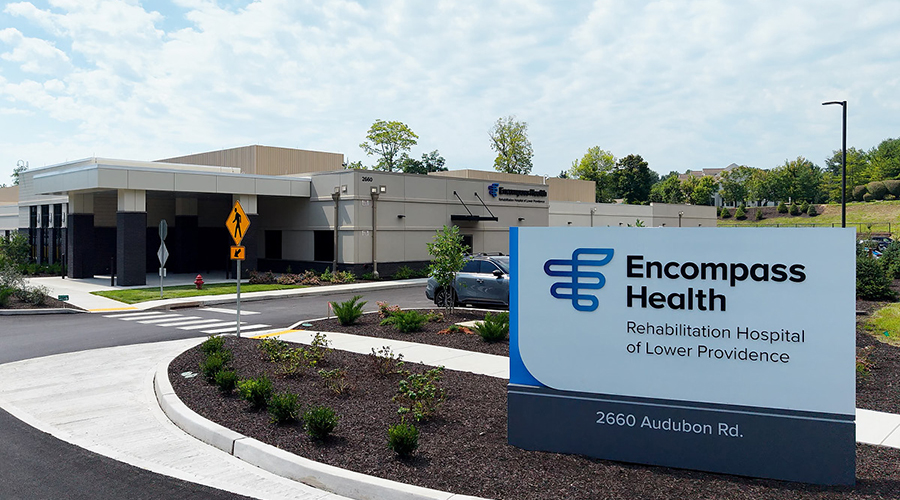 Encompass Health Lower Providence Opens in Pennsylvania
 Intermountain Health Acquires Fairbourne Building for Healthcare Hub and Medical Campus Conversion
 Cooling Towers at NYC Health + Hospitals/Lincoln Test Positive for Legionella
 Prefabricated Wall Panels Accelerate UCF Lake Nona Medical Center Construction