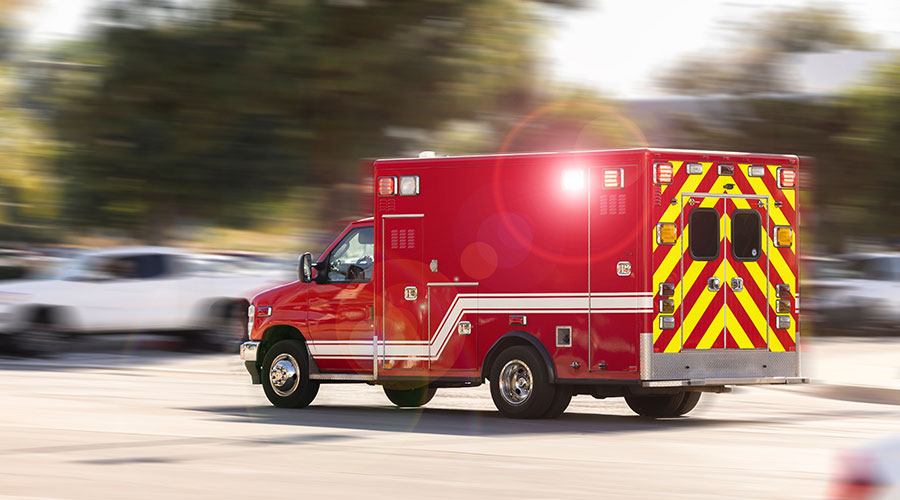
Hospital emergency rooms are most often where the victims in an accident are taken for treatment, but a hospital in Southaven, Mississippi, recently learned that emergency rooms also can be the scene of the emergency.
An ambulance crashed into Baptist DeSoto Hospital on May 7, WREG reports. The Southaven Police Department took the suspect into custody, calling it an isolated incident. The hospital confirmed that no patients were injured in the incident, but one staff member sustained minor injuries.
Related Content: How Healthcare Facilities Can Prepare for All Types of Emergencies
While uncommon, such incidents offer reminders that healthcare facilities must prepare for the full range of emergencies. Part of a hospital’s preparation is having a plan in place.
Healthcare facility managers need to consider these five steps when developing an emergency plan, as Robert F. Lang, CPP, previously told FacilitiesNet:
- Know the risks. List possible emergencies and rank them in accordance with importance and likelihood. Then create a risk matrix to assess the potential emergencies the facility might face. The risk matrix can help point out areas where investment is needed.
- Build a team. Assemble a team of subject matter experts from different departments. This team helps determine the overall span of the plan. Team members should also all be involved from the start of the planning phase.
- Make critical information easily accessible. Make the plan concise as to the threat, the risk and then what to do. Do not pad out the plan with long, drawn out supporting information. Also, create a hard copy that is readily accessible.
- Update the alert and response procedures. Adapt the procedures to be appropriate for the situation. Consider doing an after-action report to identify what notification process was used and if it was effective.
- Test the plan. To ensure an emergency plan works, managers should use methods like lectures and tabletop exercises to train staff and test procedures. These tactics help identify gaps and responsibilities before moving on to more complex and costly drills involving external responders.
Jeff Wardon, Jr., is the assistant editor of the facilities market.
 The Evolution of Lighting in Patient Care
 HealthPartners and Essentia Health to Combine Organizations
 Three Oaks Hospice Reports Email Breach
 Achieving Better Treatment Spaces Through Co-Design
 Prisma Health to Acquire 36 Urgent Care Sites in South Carolina from Novant Health