
As expectations and industry standards for sustainability continue to rise, a critical connection is unfolding between the early adoption of sustainable design strategies and reduction of a building’s environmental impact, according to an article from Building Operating Management on the FacilitiesNet website.
Upgrades to green building standards have provided a solid framework to reach these goals, emphasizing sustainable operations as much as sustainable design.
While various approaches help facility managers and designers collaborate on long-term building performance, some of the more impactful are the LEED credits that involve whole-building life-cycle cost assessments and monitoring-based commissioning as opportunities to extend equipment life, lower operating costs, and increase overall facility efficiency.
In efforts to emphasize the impact of design intent on operations, the U.S. Green Building Council (USGBC) has recently released LEED Zero — a new rating system that recognizes buildings for achievement of net zero carbon emissions, net zero energy use, net zero water use, or net zero waste.
 Emergency Preparedness: Building a Stronger Community
 Ground Broken on Lavine Bekenstein Cancer Hospital in Massachusetts
 Camden-on-Gauley Medical Center Reports Data Security Incident
 Elevating EVS Professionals: The Case for Certified Hygiene Specialists
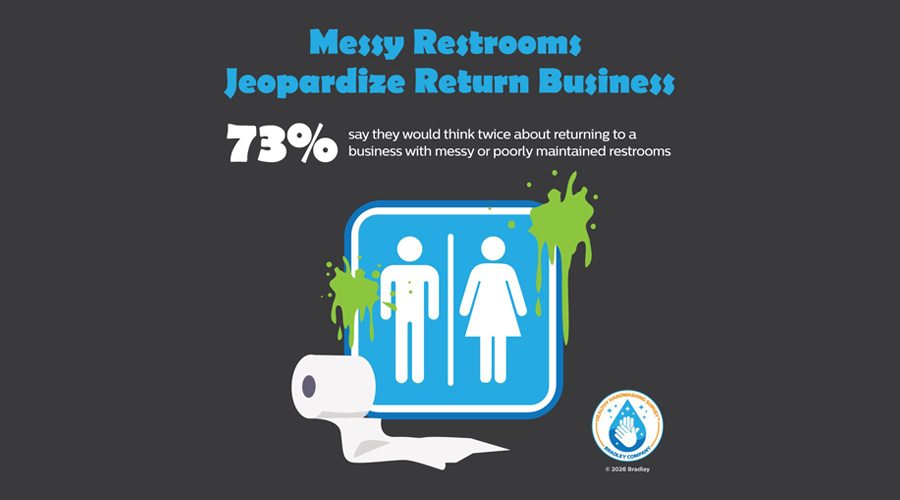 Global Handwashing Day and the Importance of Well-Maintained Restrooms