
Hospitals and other healthcare facilities are notorious energy users due to the large amount of outside air that is required for ventilation and air change rates, the need for spaces to be cooled or warmed above normal conditions for various medical procedures, and the fact that many of these facilities run continuously with little to no unoccupied times, according to an article from Building Operating Management on the FacilitiesNet website.
Energy costs have forced healthcare organizations to take a deeper look at their energy consumption, especially on new construction projects. Energy modeling, integrated with BIM, can help building owners make effective decisions about how to spend project budgets to improve the sustainability and energy efficiency of their facilities.
Energy modeling gives the entire project team, especially when an integrated design process is utilized, the ability to select and optimize building systems for maximum performance, so that the owner can make better, more informed design decisions.
By modeling various types of materials that make up the building envelope, the design team can determine the impacts of each on the building heating and cooling requirements and work with the building owner to determine if the additional cost is warranted.
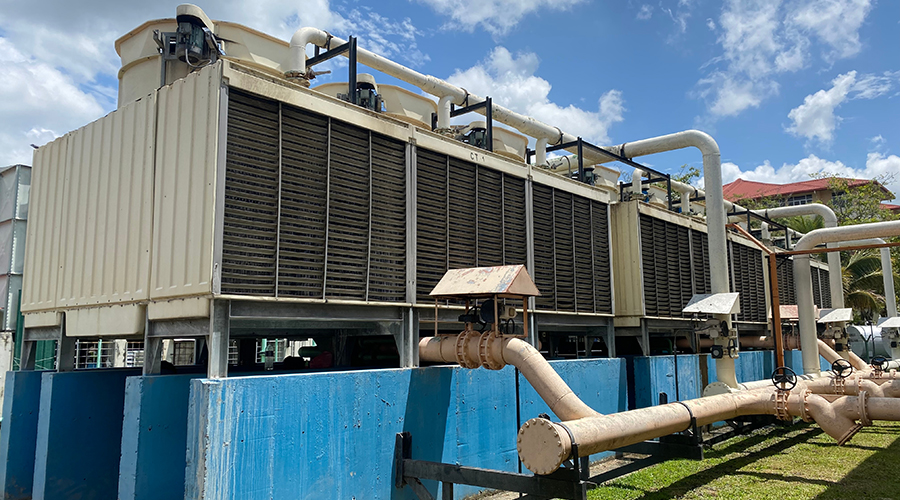 Cooling Towers at NYC Health + Hospitals/Lincoln Test Positive for Legionella
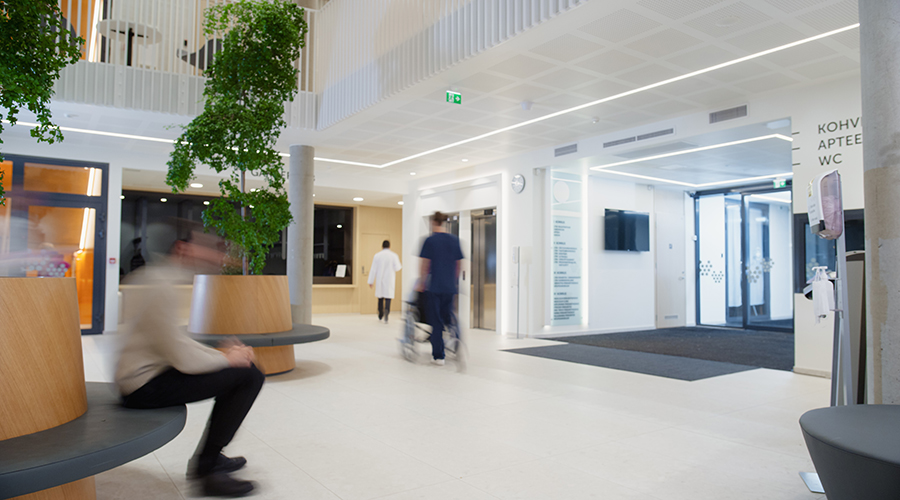 Prefabricated Wall Panels Accelerate UCF Lake Nona Medical Center Construction
 University of Rhode Island Adds Clinical Space
 How Retail Design Principles Can Improve Healthcare Wayfinding
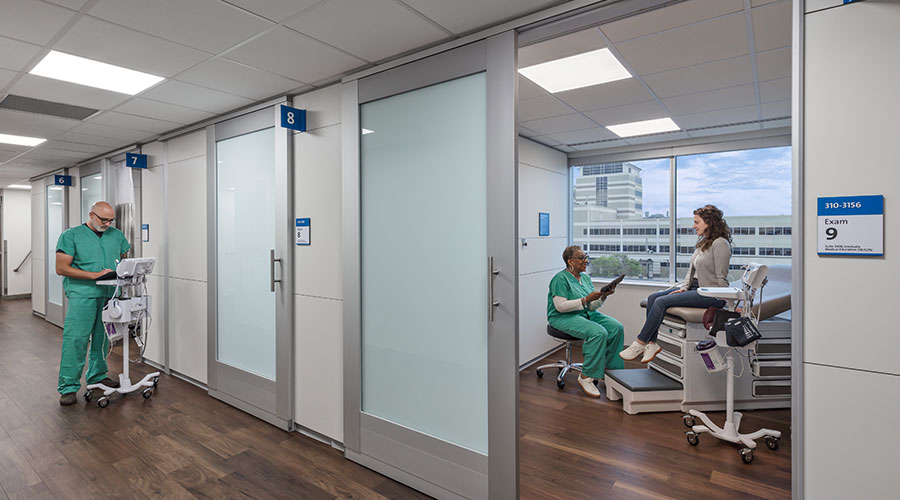 Flexible Design Strategies Help OhioHealth Maximize Clinical Space