As the number of coronavirus-related job listings surge, Checkster is opening up all of its services free of charge to government, health care and nonprofit employers battling the COVID-19 pandemic.
Organizations eligible for free reference checking services include:
- Healthcare organization needing to ramp up hiring
- Biotech and testing organizations
- Retailers opening up their parking lots and staffing to accommodate the drive-thru testing units
- Government agencies working on setting up screening and testing zones
- Nonprofits helping out those in need
- Research organizations
Checkster's checking and onboarding tools are offered at no charge throughout the pandemic with no cap on the amount of free tools available.
"We are grateful that we can join other business leaders in supporting front-line workers during these tumultuous times," says Yves Lermusi, CEO and founder of Checkster. "As a community, it's important to step up and make our resources readily available in order to help healthcare organizations and researchers battling the spread of the virus."
To benefit from this program, please email covid19aid@checkster.com. To learn more about the tools, visit www.checkster.com.
March 20, 2020
Topic Area: Press Release
Recent Posts
 Elevating EVS Professionals: The Case for Certified Hygiene Specialists
Workers cleaning patient rooms are not simply improving appearance. They are reducing bioburden and protecting human health.
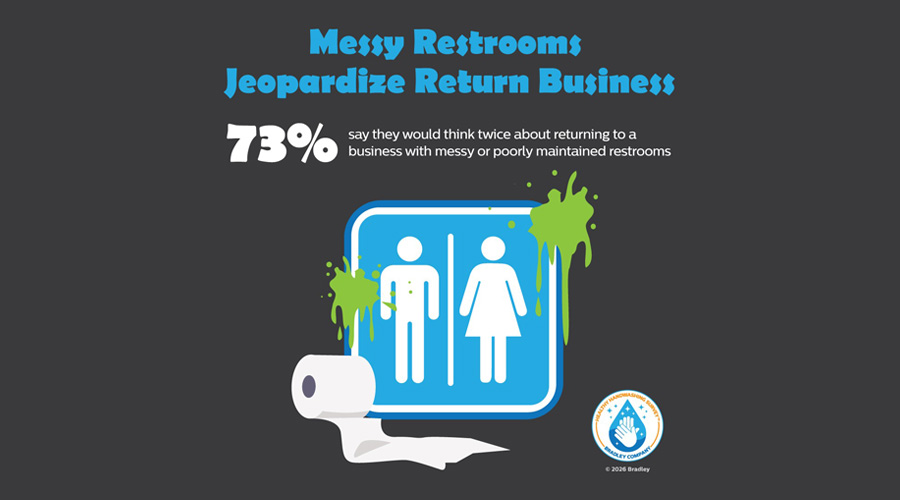 Global Handwashing Day and the Importance of Well-Maintained Restrooms
A recent handwashing survey found that Americans value clean restrooms and touchless fixtures.
 Duke Health and CaroMont Health Partner to Develop Two New Hospitals
CaroMont Health and Duke Health anticipate a decision by the end of March 2027.
 Designing for the Psychology of Waiting
A well-designed waiting room does more than fill time — it eases the patient experience and creates a more functional healthcare environment.
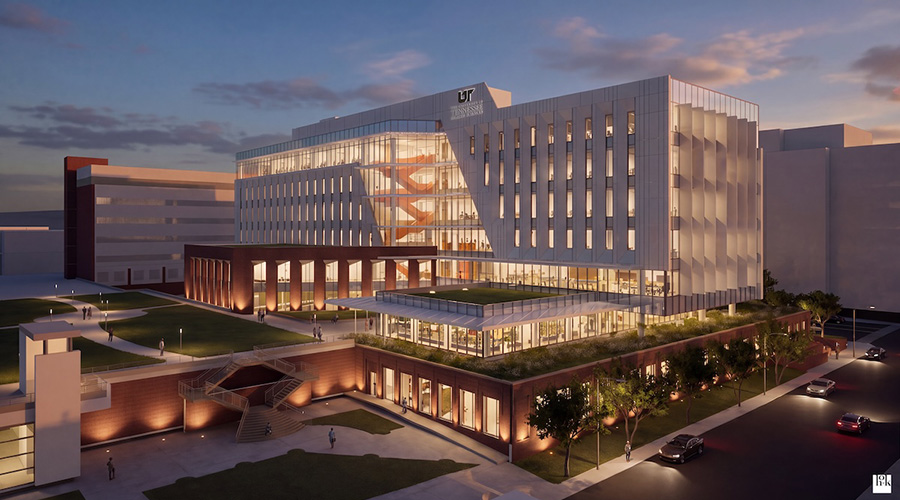 UT Health Sciences Breaks Ground on College of Medicine Interdisciplinary Building
Construction is expected to be substantially completed in 2029, with full occupancy by 2030.