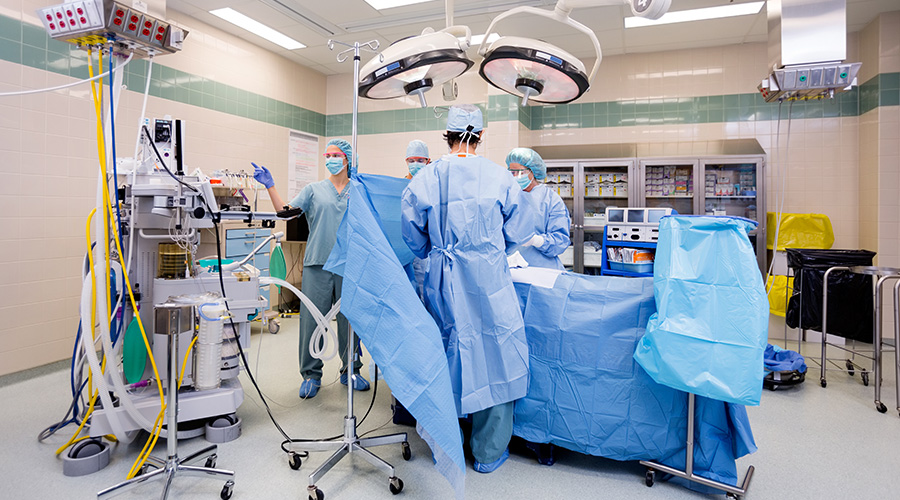
“It is clear that the leaders of this organization hire incompetent, unskilled and unqualified persons to perform housekeeping services.” — Centers for Medicare and Medicaid Services (CMS) surveyor
Who is to blame for an incompetent and unskilled cleaning staff in the operating room? Not the front-line staff performing the housekeeping services.
Competent cleaning staff in operating rooms are essential for preventing surgical site infections (SSI), protecting patient safety and ensuring compliance with strict healthcare standards. A safe and disinfected surgical department depends on rigorous protocols, specialized training and continuous oversight.
Operating rooms are high-risk zones for infection due to invasive procedures and vulnerable patients. Here is why competence in cleaning is critical:
- Increased SSIs. Inadequate cleaning can lead to SSIs, which increase patient morbidity, length of hospital stays and healthcare costs. While the negative clinical outcomes associated with SSIs such as morbidity and mortality are commonly known, there is little consensus on the financial consequences to the hospital. In fact, the resulting financial burden to the U.S. healthcare system is substantial. While costs of an SSI can vary based on the degree of infection and the site of surgery, the estimated average cost of an SSI can be more than $25,000 and can increase to more than $90,000 if the SSI involves a prosthetic implant. Overall, SSIs cost the U.S. healthcare system an estimated up to $10 billion annually.
- Standards compliance. Operating rooms must meet stringent cleanliness criteria set by the CMS, the Centers for Disease Control and Prevention, and the Association of periOperative Registered Nurses, including criteria for terminal cleaning and disinfection protocols.
- Protection against surface contaminants. The time has come to turn cleaning professionals into hygiene specialists. Infection prevention will only become a reality when the hygiene specialist is properly regarded, educated and equipped. Hygiene specialists must be able to leave the operating room hygienically clean. Therefore, they should be: educated about the prevention and transmission of disease; well trained; equipped with the necessary tools to clean and disinfect; allotted time to do the necessary tasks; and provided with the tools to enable scientific measurement of surface cleaning.
Related Content: Better, More Thorough Cleaning Saves Lives
Achieving clean
Hygienically clean is the state of a surface after hygienic cleaning.
Specialized training and oversight to achieve this goal should address:
- continuous education on infection control and cleaning techniques
- competency assessments and retraining based on audits
- clear accountability and supervision of environmental services (EVS) staff through the use and auditing of checklists.
Proper equipment and product use should include:
- selection of disinfectants compatible with operating room surfaces and devices
- the use of HEPA filters and positive pressure systems to control airborne pathogens
- protective films or barriers for sensitive equipment screens.
Monitoring and feedback systems should address:
- routine audits and visual inspections
- yse of checklists and logs to ensure thoroughness
- feedback loops to improve performance and address gaps.
Integration into hospital safety culture should cover:
- multidisciplinary oversight involving infection control, EVS and clinical staff
- defined roles and career pathways for cleaning personnel
- inclusion of cleaning protocols in hospital design and layout planning.
J. Darrel Hicks, BA, MESRE, CHESP, Certificate of Mastery in Infection Prevention, is the past president of the Healthcare Surfaces Institute. Hicks is nationally recognized as a subject matter expert in infection prevention and control as it relates to cleaning. He is the owner and principal of Safe, Clean and Disinfected. His enterprise specializes in B2B consulting, webinar presentations, seminars and facility consulting services related to cleaning and disinfection. He can be reached at darrel@darrelhicks.com, or learn more at www.darrelhicks.com.
 Technological Readiness: The Missing Construction Milestone
 From Cooling Towers to Cost Savings: Hospital Seizes Power-Saving Opportunity
 Community Health Center of Buffalo Reports Data Breach
 CRAB Alert: The EVS Role in Preventing Infection
 Why Hospital Waiting Rooms Aren't Going Away