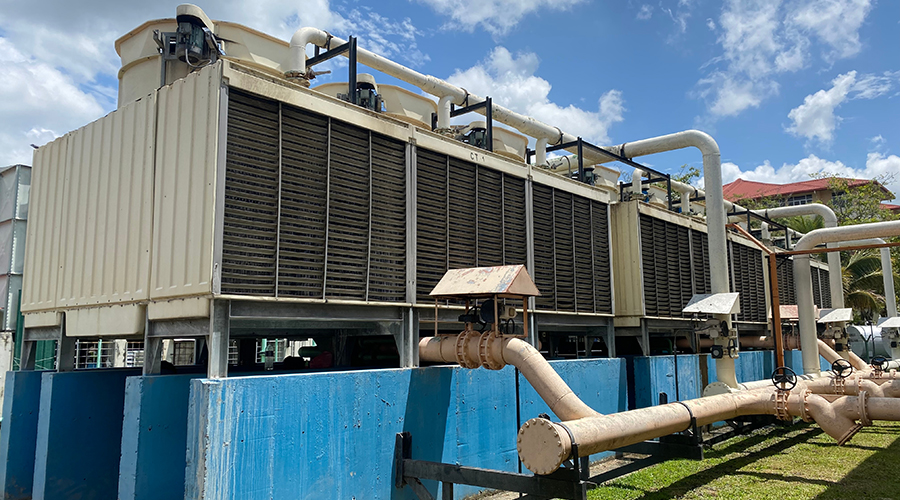
A Legionnaires' disease investigation in the South Bronx has placed cooling tower maintenance and remediation procedures under renewed scrutiny, with a tower at NYC Health + Hospitals/Lincoln among ten systems identified by city officials as testing positive for Legionella, News 12 reports.
The New York City Health Department tested 24 cooling towers during its investigation. Preliminary PCR testing identified Legionella at ten locations, including Lincoln Hospital, Yankee Stadium and the Boricua College Bronx Campus. One person has died and three others are in the hospital.
The city ordered the operators of all ten identified towers to drain, clean and disinfect their systems.
After a cluster of Legionnaires’ disease in the Central Harlem neighborhood in 2025, the New York City Council and NYC Health Department further strengthened cooling tower laws and regulations, according to NYC Health. Beginning on May 8, 2026, Legionella sampling in New York must be conducted monthly, with no more than 31 days between samples. A building's qualified person must report the date of each Legionella sample in the NYC Cooling Tower Registration Portal within five days of the collection.
Although cooling tower Legionella regulations vary by state, they share common elements derived from ASHRAE Standard 188 and CDC guidance. Most regulations require building owners to register cooling towers with state or local health departments, develop and implement water management programs, conduct routine Legionella testing and notify authorities when bacteria concentrations exceed specified thresholds, according to Envigilance. But New York remains the most comprehensive regulatory environment for cooling tower compliance, with approximately 11,000 cooling towers registered statewide.
As sampling and reporting requirements become more stringent, the effectiveness of those rules will ultimately depend on how consistently building operators translate compliance into day-to-day water management practices.
Elaina Myers is the assistant editor of the facilities market. She has covered various topics from pest management to resilience to sustainability and covers all holidays and special days in the facilities field. She also manages the FacilitiesNet social media accounts.
 Creating Healthcare Campus Master Plans That Allow Movement and Respite
 Aspirus Health Celebrates Opening of Chippewa Falls Hospital and Clinic
 AdventHealth to Open Aurora Highlands Medical Campus
 The Future of Healthcare Facility Construction Projects
 Arnprior Regional Health Upgrades Building Controls to Improve IEQ