
Nursing home operators should reexamine their facility design for better infection control, according to an article on the McKnight’s Long-term Care News website.
Researcher in a new JAMDA study found the pandemic has illustrated the importance of space and spatial practices such as social distancing, isolation, or quarantine, all of which can be supported by the built environment.
The study authors said that nursing home design should balance infection control, quality of life and greater resident wellness.
Building details like private rooms with bathrooms, more porches, spacious outdoor areas and high-performance ventilation and air quality systems are among several macro and micro issues that should be considered in proposed design solutions, the article said.
Many healthcare professionals and designers are also talking about how modern hospital designs could change to avoid a repeat of the current pandemic situation, according to a Milwaukee Independent article.
Modern hospitals often lack the flexibility to accommodate a sudden surge of patients. The pandemic also has hospital designers and architects discussing the need for touch-free control for lighting, temperature and other building functions.
Read the full McKnight’s article.
 Elevating EVS Professionals: The Case for Certified Hygiene Specialists
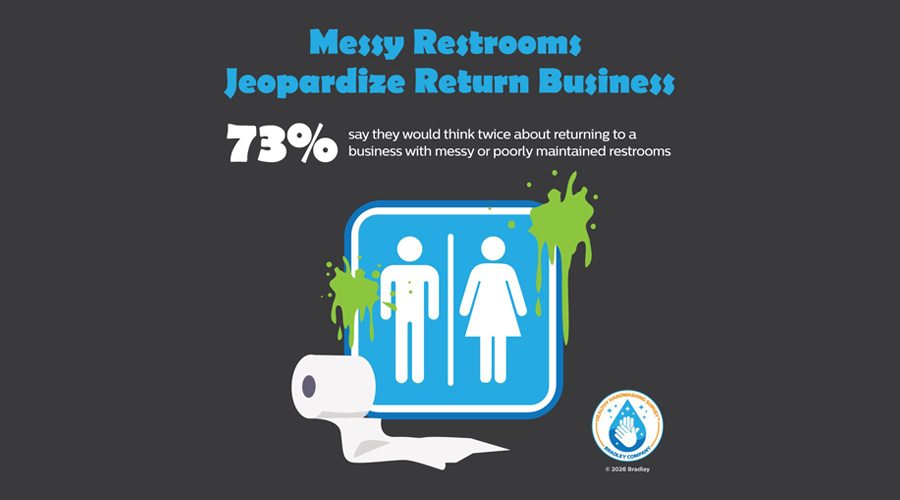 Global Handwashing Day and the Importance of Well-Maintained Restrooms
 Duke Health and CaroMont Health Partner to Develop Two New Hospitals
 Designing for the Psychology of Waiting
 UT Health Sciences Breaks Ground on College of Medicine Interdisciplinary Building