
Design can help mental-healthcare crisis when behavioral-health architects design facilities that foster productive interaction, according to an article on the Metropolis magazine website.
In behavioral-healthcare design, everything from drywall to faucets requires consideration.
Behavioral-health spaces should not only support the therapeutic functions of care environments but also battle stigma and remove barriers to treatment, the article said.
For instance, the University of Arizona Behavioral Health Pavilion & Crisis Response Center, has shaded outdoor gardens at all levels of the inpatient units that can be accessed by patients, visitors, and staff.
 What Accessibility in Senior Care Facilities Should Look Like
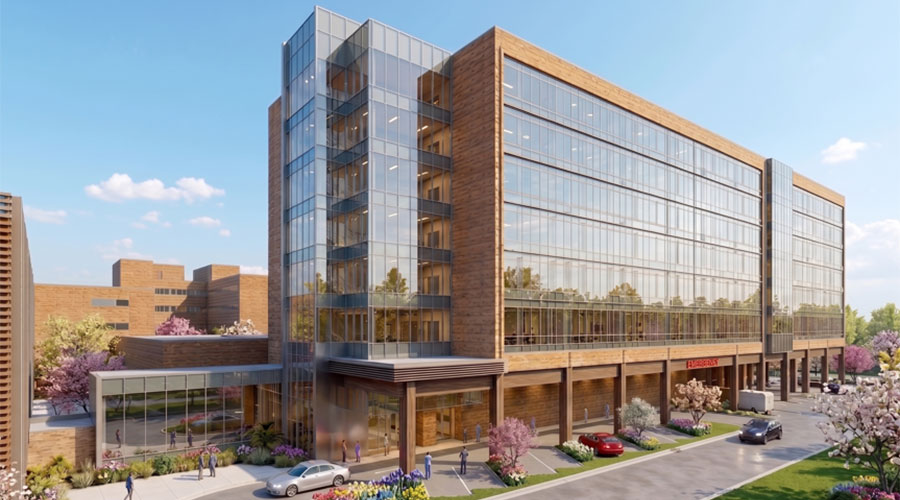 Corewell Health to Expand Grand Rapids and Troy Hospitals
 Shoshone Medical Center Reports Data Breach
 Cyberattack Results in Patient Reroutes at Anne Arundel Medical Center
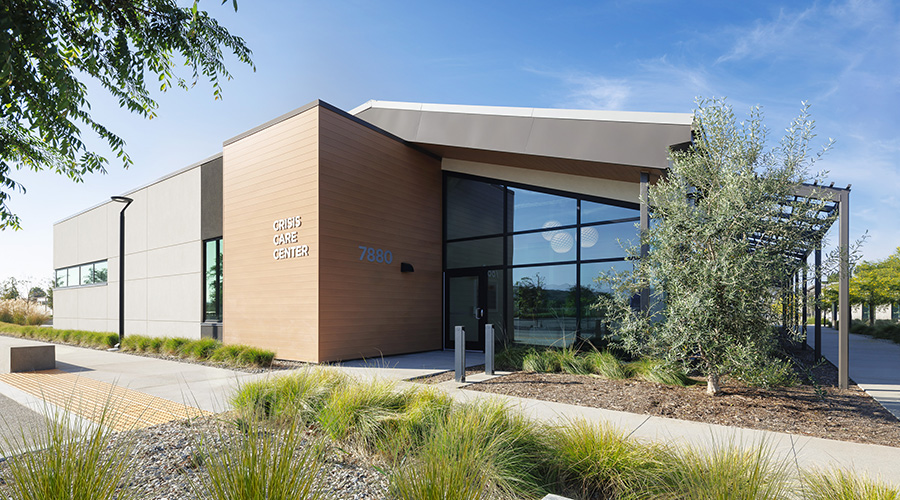 Tangram Furnishes Be Well OC Irvine Behavioral Health Campus