
Kansas State University researchers say their new risk assessment model for Ebola transmission predicted its spread into the Republic of Uganda, according to an article on the Infection Control Today website.
The model combines data of people's constant contacts — such as family members and co-workers — with their temporary contacts — such as people in a market or encountered during travel.
The researchers say the model should be used as a risk assessment tool to prepare and distribute resources, but it also has been accurate thus far regarding the movement of Ebola from the Democratic Republic of Congo into Uganda.
According to the study, network models used for highly infectious disease risk assessment must be able to anticipate changes in human-to-human contacts — unlike many other models, which are based mainly on constant contacts and constant movement flows.
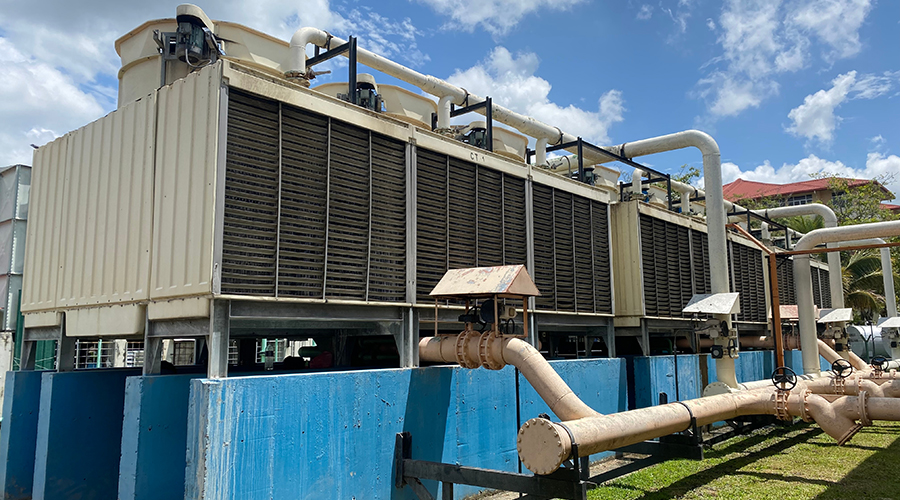 Cooling Towers at NYC Health + Hospitals/Lincoln Test Positive for Legionella
 Prefabricated Wall Panels Accelerate UCF Lake Nona Medical Center Construction
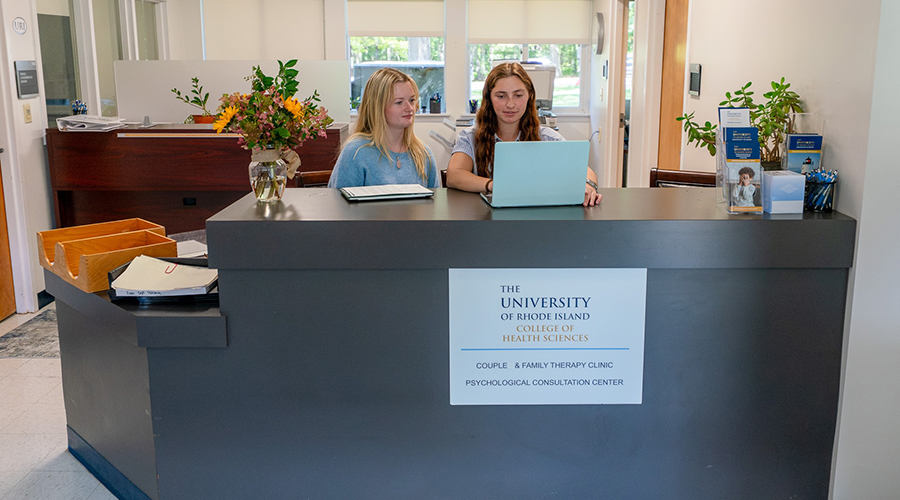 University of Rhode Island Adds Clinical Space
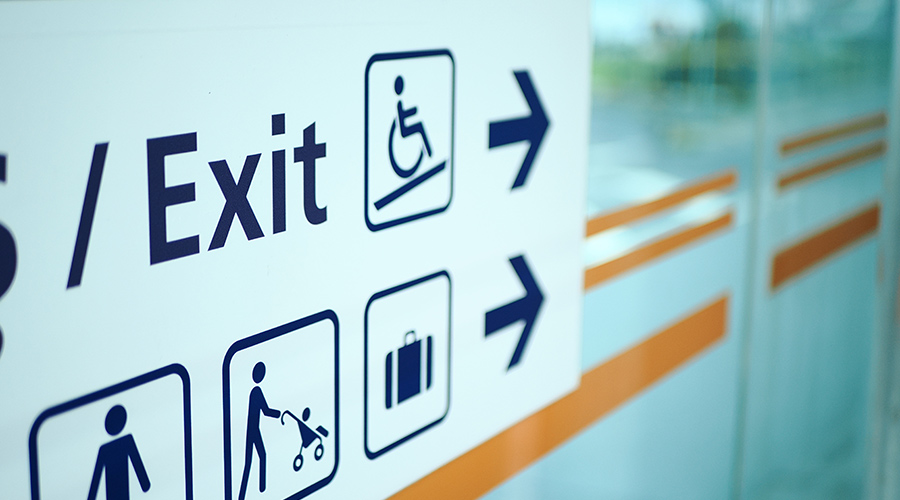 How Retail Design Principles Can Improve Healthcare Wayfinding
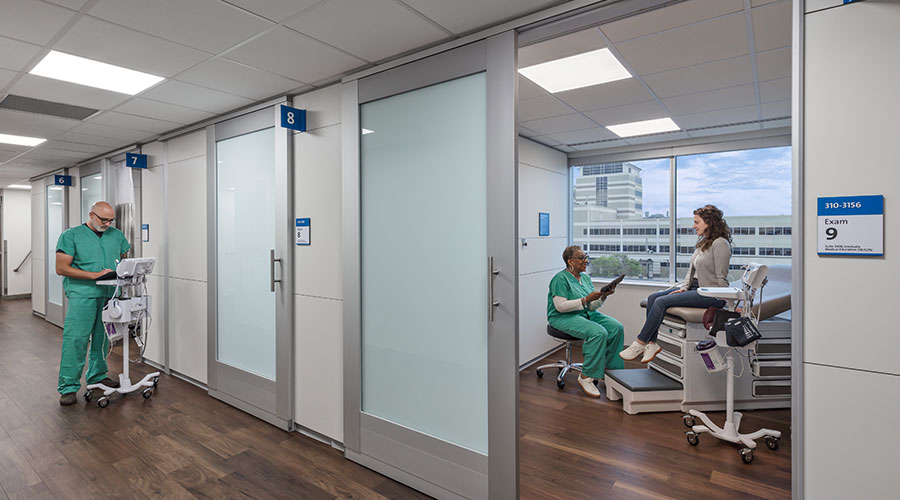 Flexible Design Strategies Help OhioHealth Maximize Clinical Space