The COVID-19 pandemic has taken a toll on every segment of the staff of healthcare facilities nationwide. Front-line doctors and nurses in particular have received accolades for working valiantly since March 2020 to care for a rising tide of patients. While the spotlight has found these workers, another segment of the healthcare workforce has gone largely overlooked — as they have for years.
Environmental service workers play a crucial but often unsung role in preventing infection at hospitals and long-term care facilities, but they’re not trained as well as they should be and see themselves as having a low social status, according to Infection Control Today. These are two of the findings in a preprint study from investigators with Clemson University who conducted a systematic literature review of English language studies about environmental services conducted between 2000 and 2009.
While environmental service workers felt that they provided little value to the organizations that they worked for, most of them nonetheless felt that the work itself was important in keeping patients safe from infections.
In 31 studies investigators looked at, they note that environmental services workers know how to do their jobs but that knowledge “does not address many of the barriers identified by environmental services workers, such as high work demands, ‘me/us versus them,’ interruptions, low status or value for environmental services workers, and lack of communication.”
Click here to read the article.
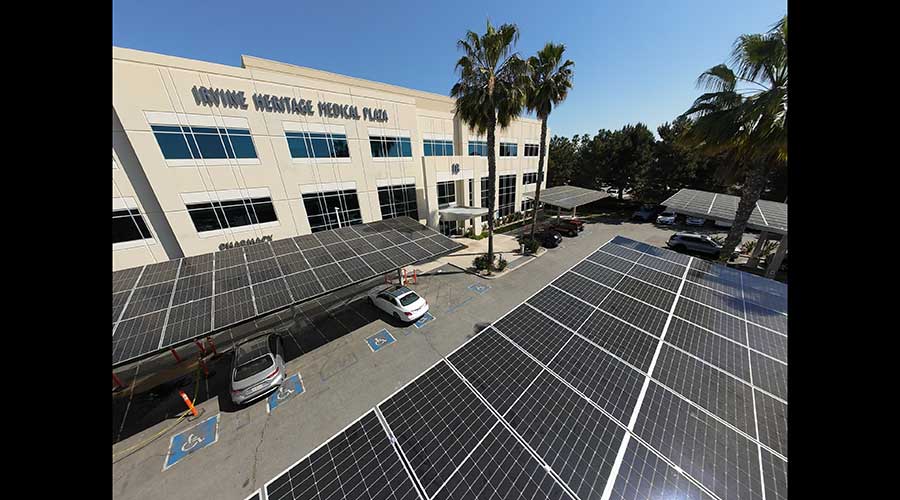 Rethinking Parking Lot Design at Irvine Heritage Medical Plaza
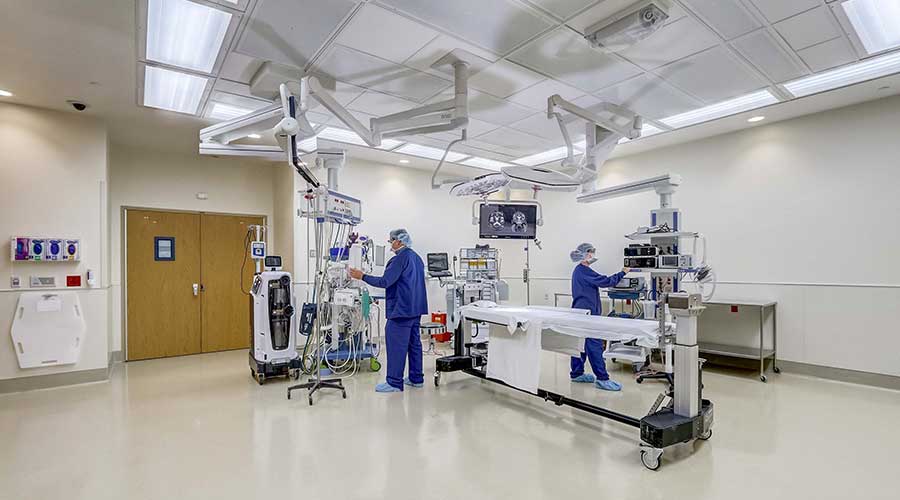 Repurposing Healthcare Spaces: 5 Critical Questions
 Disinfectant Contact Time: The Case for Biofilm Disruption
 Rethinking How Healthcare Facilities Fund Construction Projects
 Putting Trauma-Informed Design into Practice