
Changes in healthcare over the last decade — including those in response to the pandemic — have required creative new approaches to facility design.
Healthcare systems have shifted from traditional in-hospital treatment to a greater emphasis on expansion of smaller, more nimble satellite facilities and the adaptive reuse of existing structures, according to Healthcare Construction+Operations. Often, new buildings and existing structures must be able to accommodate heavy medical equipment and other loads. There are also unique requirements for the facility itself, such as connectivity to adjacent buildings, phased occupancy and the need to minimize disruption to existing services during construction.
For example, facilities typically include medical equipment for diagnosis and treatment. An important consideration for healthcare projects is meeting vibration and shielding demands of medical equipment. The structural design must address the vibration criteria of sensitive floor-mounted equipment, secondary structures for ceiling-mounted equipment and loads and load paths for installation and future replacement of heavy medical equipment.
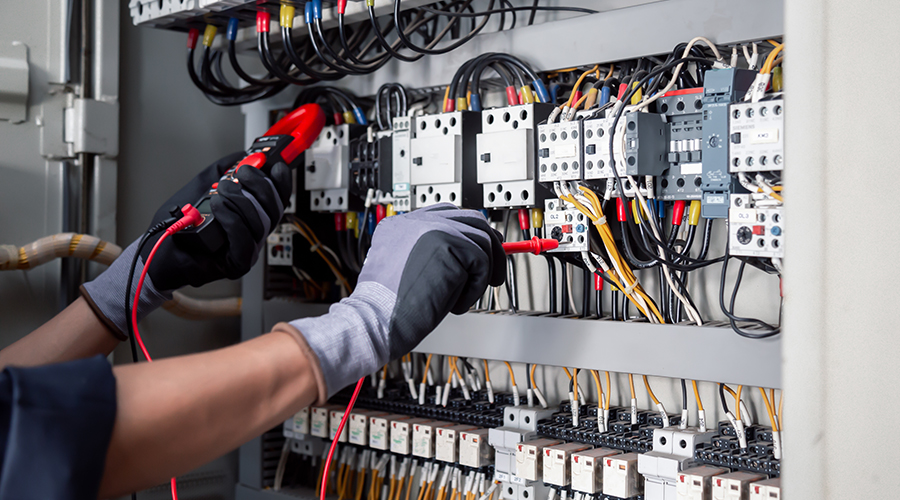 Extreme Weather: The Maintenance-Resilience Link
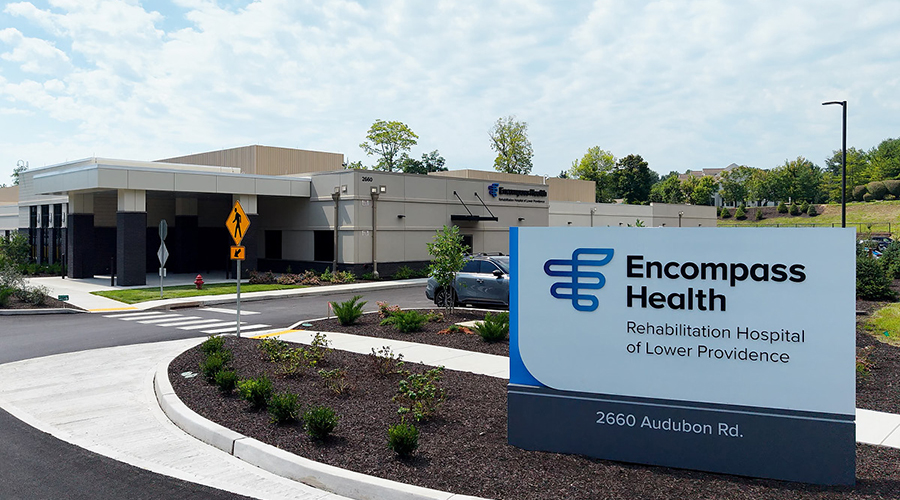 Encompass Health Lower Providence Opens in Pennsylvania
 Intermountain Health Acquires Fairbourne Building for Healthcare Hub and Medical Campus Conversion
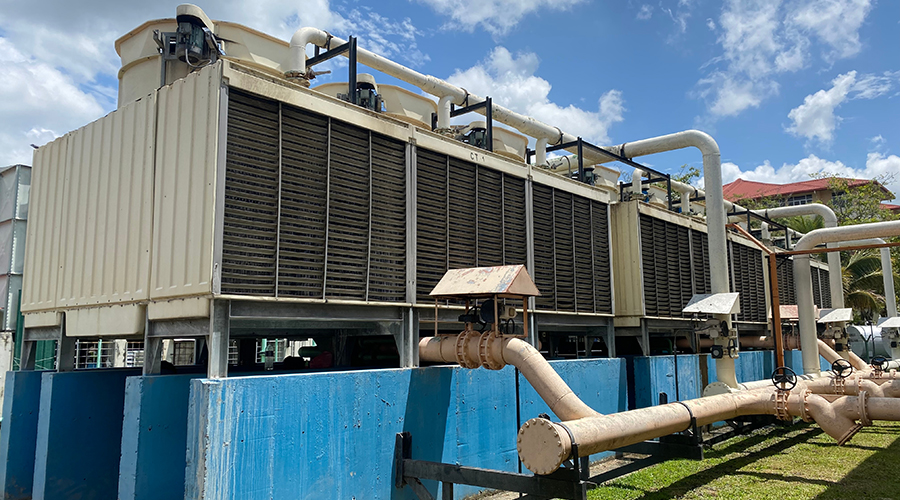 Cooling Towers at NYC Health + Hospitals/Lincoln Test Positive for Legionella
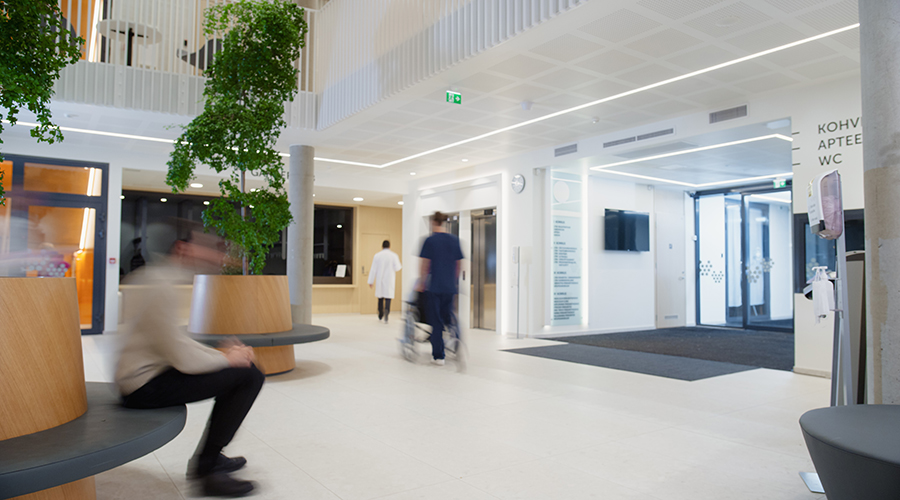 Prefabricated Wall Panels Accelerate UCF Lake Nona Medical Center Construction