Key Takeaways:
- Emergency preparedness for healthcare facilities is not a new concept or an afterthought. It is a foundation embedded in regulatory frameworks.
- While organizational leaders often focus on the strategic dimensions of preparedness, the technical backbone lies within facility maintenance teams.
- Investing in infrastructure is crucial, but even new, high-end systems can fail without skilled personnel to operate and troubleshoot them.
The summer of 2026 presented unprecedented challenges, with record-breaking temperatures that tested infrastructures nationwide. North America experienced its warmest July on record, according to the National Oceanic and Atmospheric Administration (NOAA), revealing an urgent reality for critical institutions, including healthcare facilities. While many people experienced discomfort during this heatwave, healthcare organizations faced life-or-death challenges to keep their environments safe and operational.
These extreme heat conditions serve as a potent stress test of the resilience of healthcare infrastructure, especially the utility systems that provide power, cooling and life safety functions.
The regulatory foundation of emergency preparedness
Emergency preparedness for healthcare facilities is not a new concept or an afterthought. It is a foundation embedded in regulatory frameworks, such as the Centers for Medicare & Medicaid Services (CMS) emergency preparedness rule and guided extensively by requirements articulated in Chapter 12 of NFPA 99, Health Care Facilities Code.
The CMS emergency preparedness rule mandates comprehensive planning, risk assessment and training across healthcare operations, emphasizing that facilities must anticipate and mitigate various emergencies including extreme weather.
NFPA 99 Chapter 12 also specifically outlines the criteria to assess, mitigate, prepare for, respond to and recover from emergencies of any origin. These standards ensure healthcare facilities maintain the ability to protect patients and staff during disruptions.
Together, these regulations establish that emergency preparedness is a continuous, proactive process involving:
- risk identification and mitigation planning
- regular inspection, maintenance and testing of critical systems
- comprehensive staff training and drills to respond to emergencies
- coordination with external agencies and utility providers.
Why maintenance staff are critical to resilience
While organizational leaders often focus on the strategic dimensions of preparedness, the technical backbone lies within facility maintenance teams. These professionals ensure that mechanical, electrical and fire and life safety systems operate reliably, particularly when the stakes are highest.
Extreme heat presents distinct challenges, such as overtaxed cooling systems and strain on electrical grids. If utility infrastructure fails, the consequences extend beyond inconvenience to potentially life-threatening situations.
Hospitals depend on their maintenance staff not only to maintain routine operations but to anticipate, detect and quickly respond to system vulnerabilities under escalated stress.
Building resilience for extreme weather
Building facility resilience to extreme heat and other emergencies requires maintenance teams to engage deeply with the facility’s infrastructure and emergency plans:
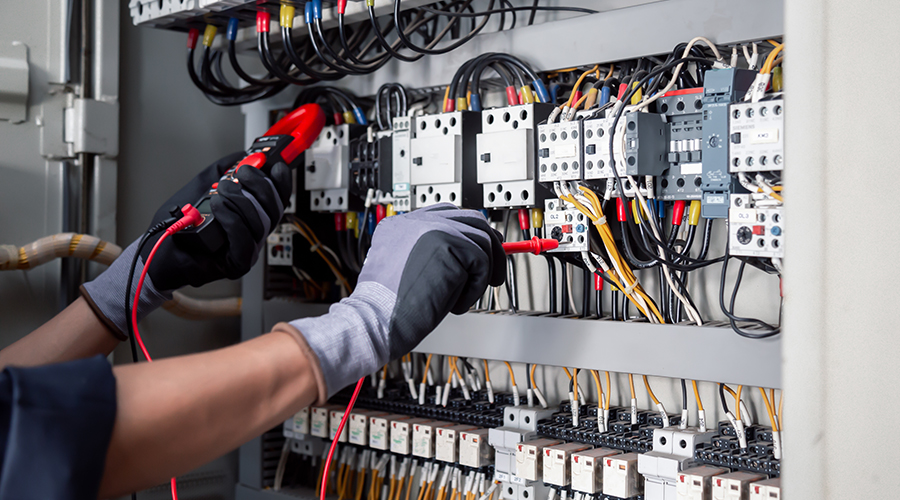
Prioritize preventive maintenance and testing. CMS and NFPA 99 require healthcare facilities to maintain emergency power systems capable of supporting critical functions during outages. Maintenance staff should regularly test generators and automatic transfer switches under simulated failure conditions to confirm readiness. This process includes ensuring fuel supplies are adequate and cooling systems for generators are functional because sustained high temperatures increase generator cooling demands.
Reinforce cooling and electrical infrastructure. HVAC systems are critical during heatwaves to prevent harmful patient and equipment temperature exposures. Maintenance professionals should conduct thorough inspections to identify aging components or potential points of failure, such as clogged filters, refrigerant leaks and vulnerable wiring. Electrical infrastructure inspections also must focus on load capacity and potential overheating risks to avoid cascading failures. These routine inspection and maintenance activities are upheld by documents such as NFPA 70B, Standard for Electrical Equipment Maintenance.
Ensure fire and life safety systems are fully operational. Extreme weather events often coincide with power disruptions. Fire alarms, emergency lighting, sprinkler systems and smoke control mechanisms must remain functional through alternate power sources. Maintenance teams must verify that these systems meet NFPA 99 and NFPA 101, Life Safety Code standards.
Actively participate in emergency drills. Effective emergency response goes beyond having plans on paper. Maintenance staff should be involved in multidisciplinary drills that simulate utility failures and extreme weather effects in order to evaluate mechanical and electrical system responses in real time. Such training provides opportunities to identify gaps between planned actions and practical realities and allow for identification of opportunities for improvement.
Detailed documentation and continuous improvement. Maintenance logs, test results and corrective actions must be documented. This documentation supports regulatory compliance with CMS and NFPA standards while also serving as a data set for predictive maintenance. Identified weaknesses should feed into risk assessments and facility emergency plans for mitigation efforts.
Training and emergency preparedness
Investing in infrastructure is crucial, but even new, high-end systems can fail without skilled personnel to operate and troubleshoot them. Recent research from NFPA reveals that 94 percent of skilled trade workers engage annually in training programs. Continuous learning and upskilling are vital attributes to emergency preparedness.
Healthcare facilities often face labor shortages and staffing constraints that make dedicating time to training difficult. To combat this, resilient facilities embed training in work schedules, leveraging flexible formats, such as online modules and brief, focused workshops. This approach allows maintenance staff to stay current with evolving codes, technologies and emergency protocols without disrupting service continuity.
Formal certifications related to critical utilities, HVAC, fire safety and emergency power enhance competencies and institutional credibility. Scenario-based training — including tabletop exercises and simulated system failures — also enables maintenance personnel to respond swiftly and effectively, reducing downtime and ensuring continuous patient care.
The extreme heat during the summer of 2026 was a constant trial for healthcare infrastructure, but it exposed one vital truth: Healthcare emergency preparedness relies on much more than contingency plans. It depends fundamentally on the meticulous upkeep of critical utility systems and the preparedness of the maintenance workforce that safeguards those systems.
Compliance with rules like CMS emergency preparedness and Chapter 12 of NFPA 99 is a baseline, representing years of industry expertise distilled into standards. Facilities that succeed in emergencies are those that operationalize these standards daily through rigorous preventive maintenance, ongoing testing and robust training cultures.
In an era when extreme weather events are expected to increase in frequency and intensity, healthcare facility managers must recognize and empower their maintenance teams not just as reactive fixers but as proactive providers of resilience. By ensuring utilities remain operational under stress and maintenance staff remain prepared, healthcare organizations can continue delivering life-critical services regardless of challenges the climate brings.
Jon Hart is principal engineer and technical lead for fire protection engineering with the National Fire Protection Association.
 Encompass Health Lower Providence Opens in Pennsylvania
 Intermountain Health Acquires Fairbourne Building for Healthcare Hub and Medical Campus Conversion
 Cooling Towers at NYC Health + Hospitals/Lincoln Test Positive for Legionella
 Prefabricated Wall Panels Accelerate UCF Lake Nona Medical Center Construction