
More than half of today’s facility managers are expected to retire in the next five to 15 years and there are not enough students and workers aware of the profession to fill the number of coming vacancies, according to an article on the FacilityCare website.
For the healthcare industry, there are two levels where the need for skilled workers is immediate. “Engineering/technical skills at the mechanical equipment level (i.e., operating engineers) and midlevel management that wants to grow into the senior level — these folks are tending to top out due to lifestyle,” said Mike Wood, director of Healthcare Market Development for Oldcastle and president of the Health Care Institute (HCI), an IFMA Alliance Partner.
Healthcare buildings are becoming increasingly complex to manage, requiring a new set of skills compared with even those required five years ago.
“Today we are designing more complex facilities and central energy plants but hiring the same old line plant engineers and operating engineers with the old skill sets,” said Jeffrey Kent, managing director of facilities for Nemours Foundation, vice president of HCI and a member of the FacilityCare advisory board.
“FMs need stronger technology skills to manage systems that are now on the main network.”
 How Retail Design Principles Can Improve Healthcare Wayfinding
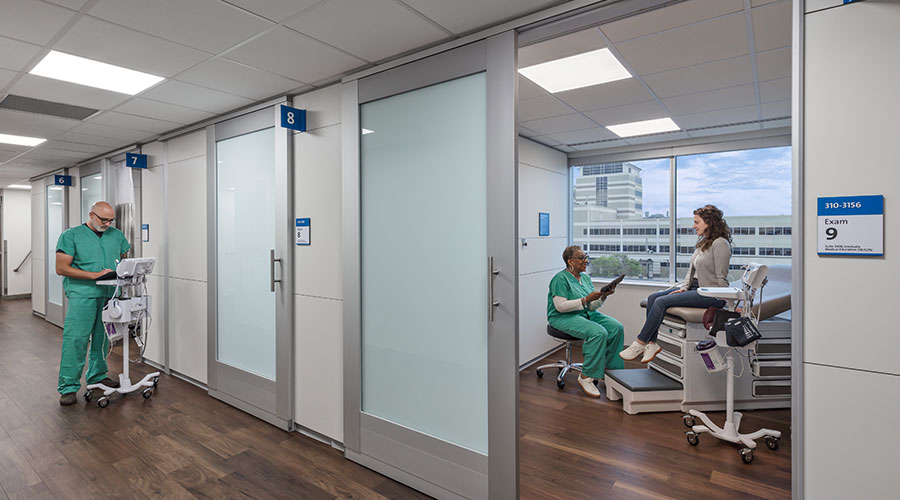 Flexible Design Strategies Help OhioHealth Maximize Clinical Space
 Midwest Spine And Brain Institute Suffers Data Breach via Third-Party Vendor
 What Accessibility in Senior Care Facilities Should Look Like
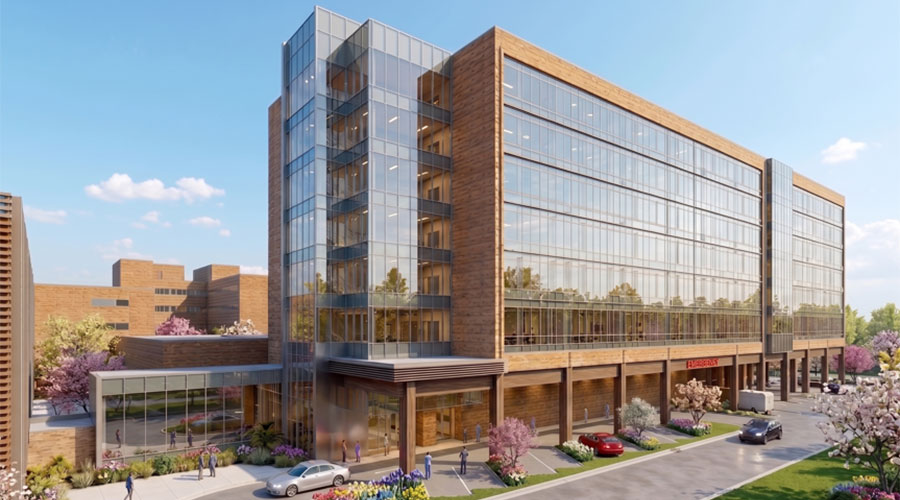 Corewell Health to Expand Grand Rapids and Troy Hospitals