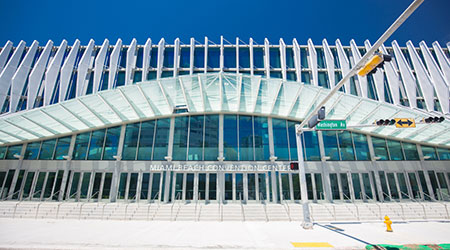
More than a dozen medical facilities built in response to the coronavirus pandemic are located in dangerous flood zones despite federal guidance saying they should be "outside all high-risk flood hazard areas," according to an article on the E&E News website.
For instance, the Miami Beach Convention Center, which the Army Corps of Engineers recently converted into a 450-bed hospital, sits four blocks from the Atlantic Ocean in a mandatory evacuation zone that is vulnerable to storm-surge flooding during Category 1 hurricanes.
Flood zones are risky places for temporary medical centers, the Federal Emergency Management Agency warned in guidance this month. Patients may have to be evacuated, and floodwaters could make the facilities inaccessible for employees and suppliers.
E&E News identified 16 facilities in flood zones using FEMA online flood maps, Army Corps records and news stories about temporary medical centers. All but three are on the East Coast.
 Why Healthcare Facilities Management Is Critical to Patient Safety
  Brookdale Senior Living Announces Acquisition of the Brookdale Galleria Community
 Erlanger Health System Falls Victim to Data Breach
 Technological Readiness: The Missing Construction Milestone
 From Cooling Towers to Cost Savings: Hospital Seizes Power-Saving Opportunity