
While recent research has explored the seasonality of COVID-19, it is the overlap of seasons and HVAC system operation that determines the indoor environment—where most viral propagation occurs, according to an article on the Consulting-Specifying Engineer website.
Research has linked air between 40 and 60 percent relative humidity (RH) with less-effective aerosol travel, shorter airborne and surface survival times, lower transmission rates and more effective patient lung repair functions.
However, hospitals in colder climates typically operate at lower RH levels (often 20 percent-30percent) during winter, in line with minimum requirements.
Most Northern Hemisphere cities have a window of opportunity before summer arrives to increase humidification to 40 percent.
 Emergency Preparedness: Building a Stronger Community
 Ground Broken on Lavine Bekenstein Cancer Hospital in Massachusetts
 Camden-on-Gauley Medical Center Reports Data Security Incident
 Elevating EVS Professionals: The Case for Certified Hygiene Specialists
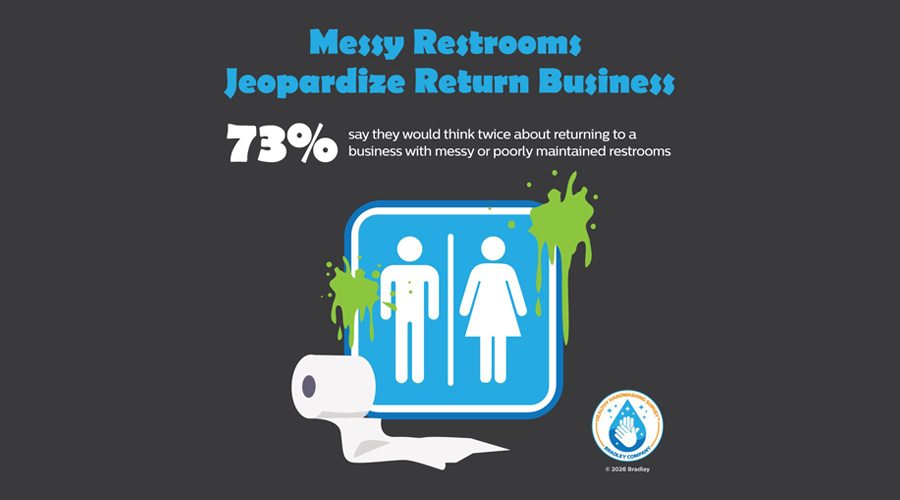 Global Handwashing Day and the Importance of Well-Maintained Restrooms