
Experts consistently recommend better surface sanitation and hand washing as the two most significant environmental controls to reduce hospital-associated infections (HAIs) .
Research shows the contaminated surface environment in hospitals plays a huge role in the transmission of MRSA, vancomycin-resistant Enterococcus spp (VRE), Clostridium difficile (C diff.) and norovirus. Improved surface cleaning and disinfection are key to reducing transmission of these pathogens, according to an article from Sanitary Maintenance on the CleanLink website.
Countertops are the surfaces that typically have been studied for contamination. But substantially less has been said about some other surfaces until recently. Some studies have pointed to hospital floors are a source of bacteria that lead to HAIs has become a subject of concern.
Most hospitals previously ignored floors as a potential source of HAIs, but this may not have been a smart decision, as pointed out by the 2017 report titled “From The Floor Up,” compiled by Jack McGurk, a medical waste consultant, and co-author David Harry.
The report states, “Floors have the potential to return to pre-disinfection bacterial levels within several hours after mopping. Pathogens are consistently introduced to the floor throughout the day by shoes, transport equipment such as wheelchairs and beds, treatment devices or computer carts, and non-slip patient socks that traverse the floors and frequently, directly into a bed. More importantly, there is a consistent potential for cross-contamination on and across the floor by an item expected to be clean and often handled without gloves — a freshly laundered mop.”
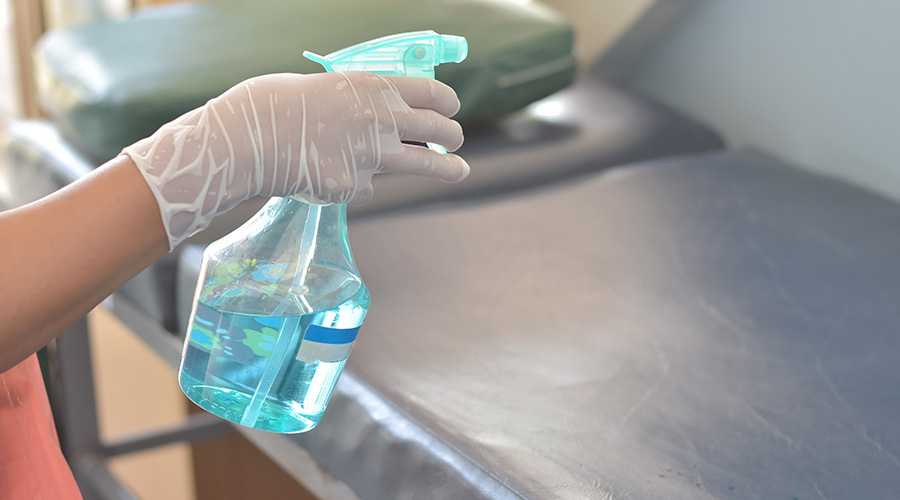 Elevating EVS Professionals: The Case for Certified Hygiene Specialists
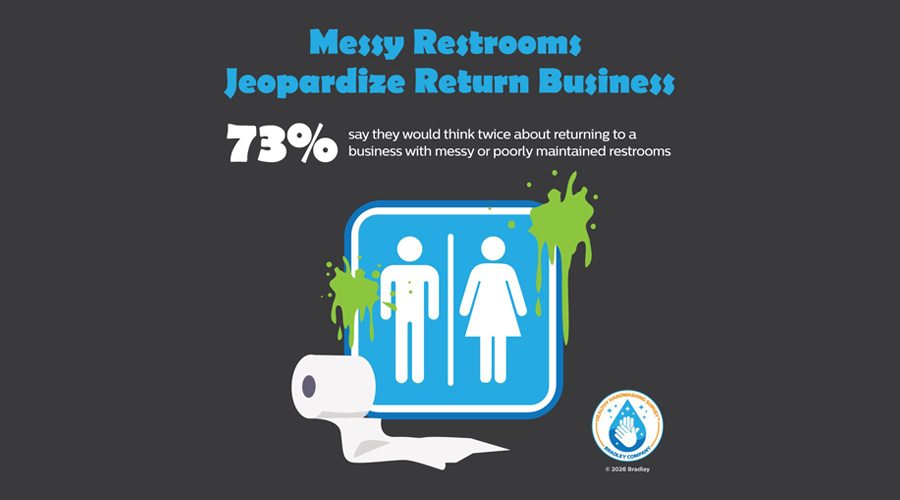 Global Handwashing Day and the Importance of Well-Maintained Restrooms
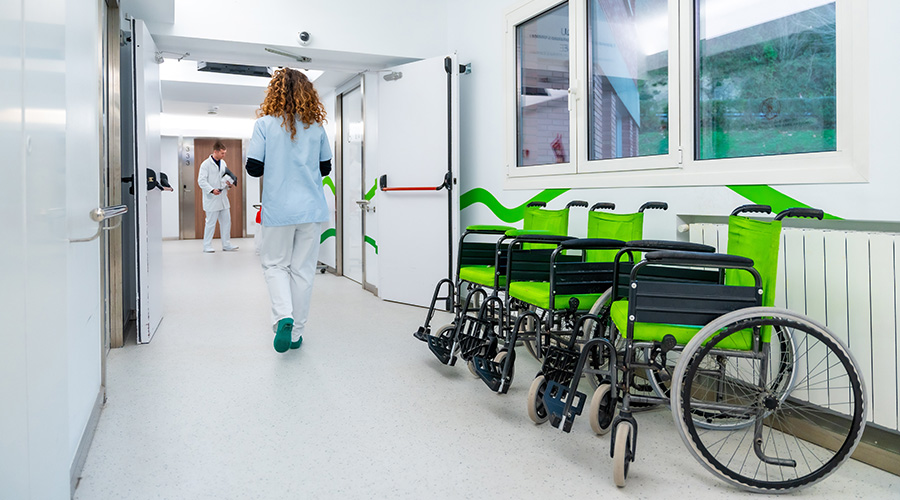 Duke Health and CaroMont Health Partner to Develop Two New Hospitals
 Designing for the Psychology of Waiting
 UT Health Sciences Breaks Ground on College of Medicine Interdisciplinary Building