
According to a December 2012 article in Health Facilities Management magazine, key players involved in healthcare facilities say hospitals are in a prime position within the next five years to make sustainability part of their mission and business plan.
In “Sustainable benefits: The incentives continue to grow for hospitals to reduce their impact on the environment,” editor Jeff Ferenc interviews industry experts about the ways increased information, new technologies and design ideas are making sustainability a more achievable goal in healthcare facilities.
The article touches on the potential billions of dollars in savings sustainable practices could bring to hospitals in the next five years, and offers suggestions for reducing energy consumption. It also offers insights into water conservation and waste management strategies as well as chemical-free cleaning technologies.
 Elevating EVS Professionals: The Case for Certified Hygiene Specialists
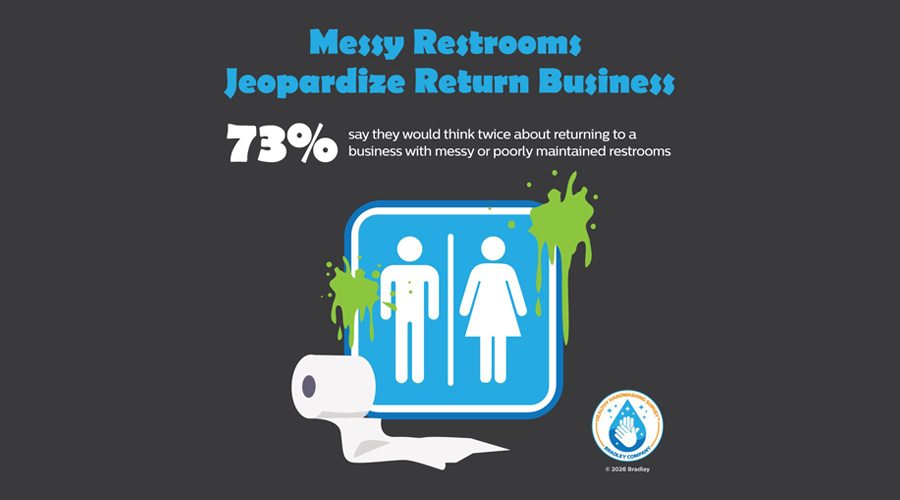 Global Handwashing Day and the Importance of Well-Maintained Restrooms
 Duke Health and CaroMont Health Partner to Develop Two New Hospitals
 Designing for the Psychology of Waiting
 UT Health Sciences Breaks Ground on College of Medicine Interdisciplinary Building