
The COVID-19 pandemic has had a drastic impact across virtually every industry, but none have been challenged as much as the healthcare sector. At the start of 2020, the widespread adoption of Internet of Things (IoT) technologies across hospitals felt very farfetched. After the last six months, healthcare providers are in need of a digital transformation within the industry, and location technologies are paving the way for this much needed change.
Previously, initiatives to modernize systems and attempts to achieve technological interoperability had been deferred for many years, now these initiatives have become, in many cases, a matter of life and death. For example, telemedicine has become a lifesaving tool, which enables remote healthcare delivery, while also giving frontline healthcare providers access to support teams. This system is a key example of how technology is not only able to keep patients safe, but also transform the way providers and health professionals approach care.
The technological transformation among healthcare institutions and hospital systems is twofold. First, technology can be a pivotal tool in saving lives and mitigating the spread of infection during a global health crisis and beyond. As such, hospitals can utilize location technologies to support digital contact tracing and social distancing protocols in order to help keep patients, employees and visitors safe. Second, the lasting impact of this rapid adoption of technology will likely result in drastic improvements to daily hospital operations.
While no technology alone can stop the spread of the virus, if implemented correctly, this technology can create visibility into traffic density and patterns in particular areas of a hospital, understand prior locations of COVID-positive patients within the building, and also monitor other patients, caregivers and providers who comes in contact with that patient before and after their diagnosis. Location technology could even locate and signal the most appropriate healthcare professional to treat a patient based on their skillset. For example, a COVID-19 trained nurse or doctor could be deployed within minutes, and know exactly where to go guided by location technology.
Due to COVID-19, we are moving more swiftly toward the next level of technology, the adoption of indoor data platforms. Hospitals have immense amounts of indoor data, and healthcare professionals are beginning to see the value in a facilities existing data. When IoT data and tools are incorporated with digitized maps, location awareness inside buildings becomes an actionable tool to support the improvement of patient care.
Although the need for updated technology in healthcare facilities, goes well beyond contact tracing, this technology along with social distancing detection are solutions that healthcare providers need to consider. For many hospitals, several foundational components of indoor intelligence are already in place. For instance, many healthcare facilities, in their earlier adoption of wayfinding kiosks, have already had their indoor maps digitized.
Today, location technologies can support social distancing monitoring, contact tracing, targeted cleaning processes and indoor navigation for visitors and staff. These applications will not only benefit hospitals during the pandemic, but after as well, since they all contribute to improved operations and better patient experiences.
Without situational awareness, the strain being placed on our healthcare facilities could potentially overwhelm resources, especially in the current pandemic. By deploying a technology that will protect healthcare workers and patients today, healthcare networks can lay a foundation for better patient outcomes for years to come, with solutions that support efficient care for all.
Nadir Ali, the CEO of Inpixon
 Extreme Weather: The Maintenance-Resilience Link
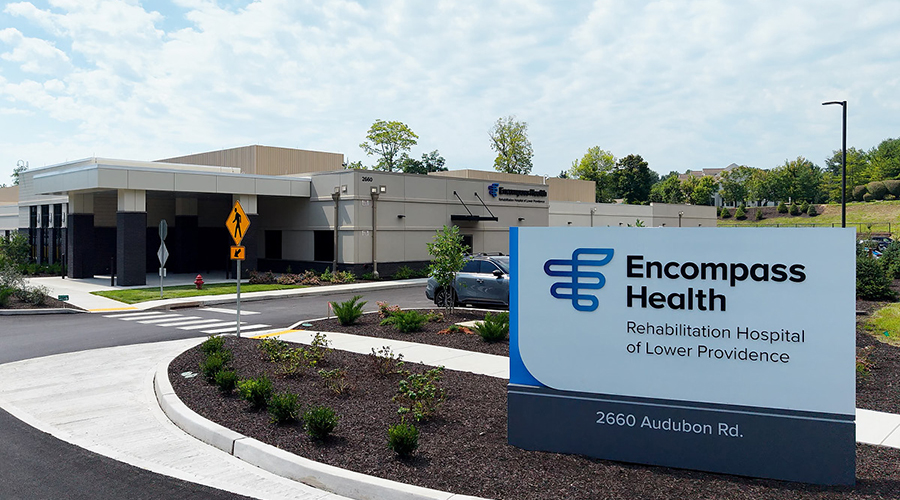 Encompass Health Lower Providence Opens in Pennsylvania
 Intermountain Health Acquires Fairbourne Building for Healthcare Hub and Medical Campus Conversion
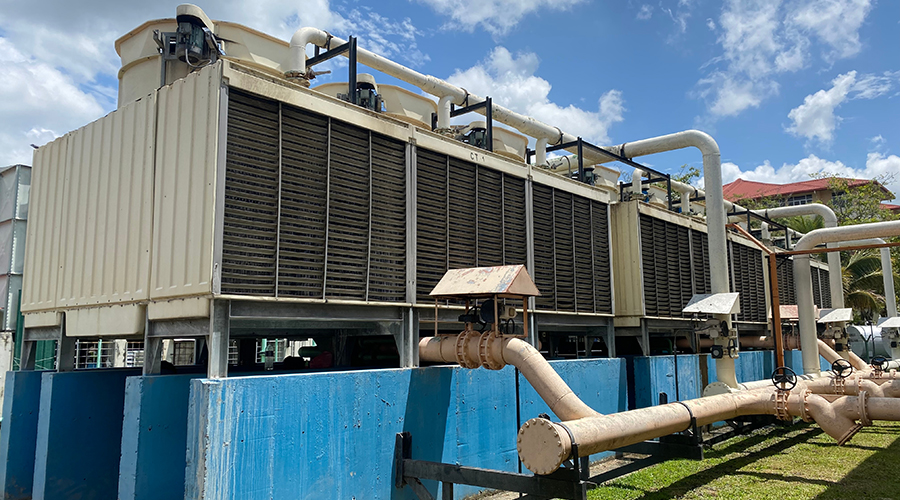 Cooling Towers at NYC Health + Hospitals/Lincoln Test Positive for Legionella
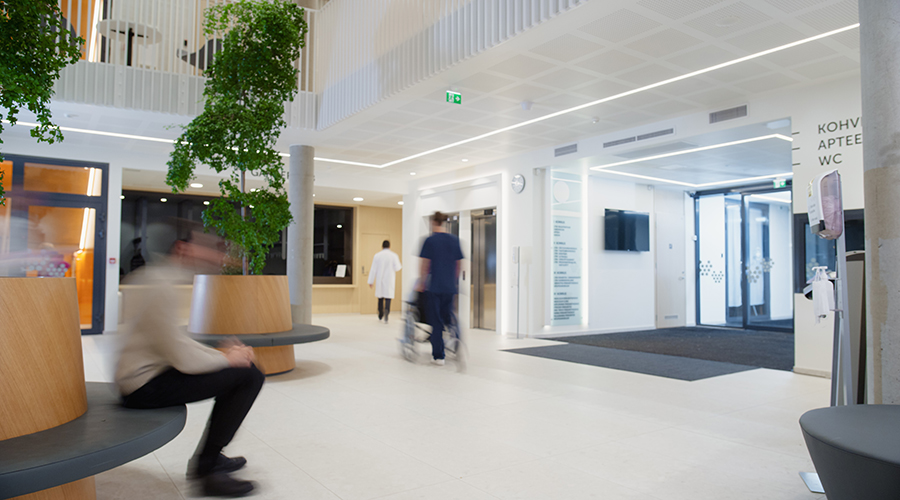 Prefabricated Wall Panels Accelerate UCF Lake Nona Medical Center Construction