
OSHA’s Bloodborne Pathogens Standard, 29 CFR 1910.1030 Occupational Exposure to Bloodborne Pathogens requires that all facilities whose employees may be occupationally exposed to blood or other potentially infectious materials (OPIM) create an exposure control plan — among other precautions, according to an article on the CleanLink website.
Each environmental services worker potentially exposed to blood needs to be specially trained, offered the Hepatitis B. vaccination and provided personal protective equipment (PPE) at no charge.
When cleaning blood, OSHA tip's include:
• Put on PPE appropriate for the task. Blood or OPIM on floors and walls may only require protective glasses and gloves
• Clean all blood thoroughly before applying the disinfectant
• Dispose of all infectious waste (wipers, rags, etc.) in accordance with federal, state or local regulations
Environmental services staff should keep their eyes open, stop, think and not take chances. When in doubt, follow OSHA's precautions, the article said.
 Extreme Weather: The Maintenance-Resilience Link
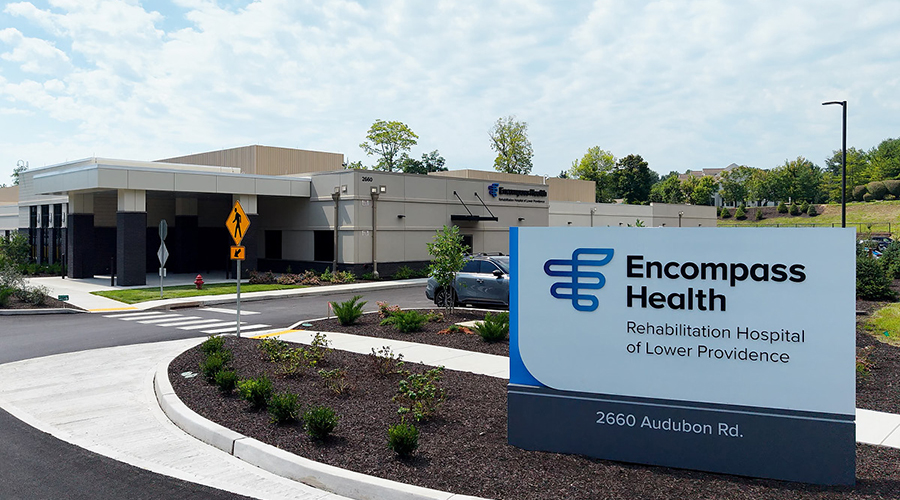 Encompass Health Lower Providence Opens in Pennsylvania
 Intermountain Health Acquires Fairbourne Building for Healthcare Hub and Medical Campus Conversion
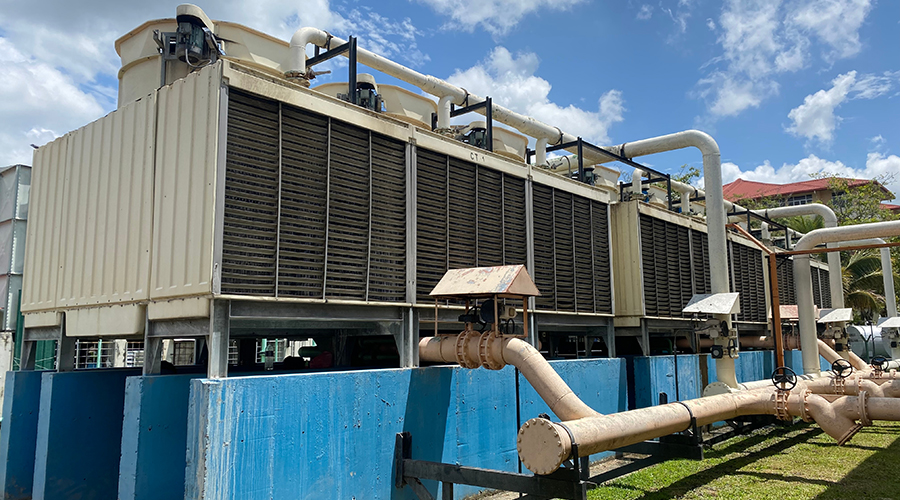 Cooling Towers at NYC Health + Hospitals/Lincoln Test Positive for Legionella
 Prefabricated Wall Panels Accelerate UCF Lake Nona Medical Center Construction